

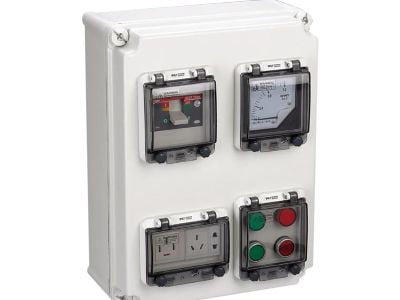
Protecting sensitive electronics in automation is critical to ensuring the longevity and reliability of your systems. An electrical waterproof box serves as a vital barrier against moisture and contaminants that can jeopardize electronic components. For B2B buyers such as purchasing managers and engineers, understanding how to select the right waterproof box, evaluate its quality, and install it correctly can significantly impact operational efficiency and maintenance costs. This article aims to provide essential insights into choosing and utilizing electrical waterproof boxes for sensitive electronics in automated environments.
Choosing the Right Electrical Waterproof Box for Sensitive Electronics
When selecting an electrical waterproof box, several factors need to be assessed to ensure compatibility with your specific application. First, consider the ingress protection (IP) rating, which indicates the level of protection against dust and water. For instance, an IP67 rating ensures that the box is dust-tight and can withstand immersion in water up to 1 meter for a limited duration. This level of protection is typically suitable for most outdoor and industrial applications. Next, evaluate the size and capacity of the box. It should accommodate your electronic components while allowing sufficient space for wiring and ventilation. Overcrowding can lead to overheating and reduced performance. Additionally, consider the electronic thermostat environmental conditions where the box will be installed, including temperature variations and potential exposure to chemicals or corrosive substances. Lastly, ensure that the box meets any industry-specific regulations relevant to your application, such as UL or CE certifications, which can indicate compliance with safety and quality standards.
How to Ensure Quality in Electrical Waterproof Boxes for Automation?
Quality assurance is paramount when sourcing electrical waterproof boxes. Start by reviewing the manufacturer’s quality control processes. This includes material selection, fabrication techniques, and testing protocols. A reputable manufacturer, like LINKWELL ELECTRIC, implements rigorous quality checks throughout the production process to ensure that each box meets defined specifications. Ask for product samples to verify quality before placing a bulk order. Inspect the sample for material integrity, sealing effectiveness, and overall construction. Pay attention to the sealing mechanism as this is often the most vulnerable part of the box. High-quality seals prevent moisture ingress and ensure the longevity of electronics housed within the box. Lastly, consider the manufacturer's experience and reputation in the industry. A supplier with a strong track record and positive customer feedback is likely to provide reliable products that meet your quality expectations.
Installation Tips for Electrical Waterproof Boxes in Automated Systems
Proper installation of electrical waterproof boxes is essential for optimal performance. Begin by selecting a secure and level mounting location that is free from excessive vibrations or potential impact. Ensure that all mounting hardware is appropriate for the box material and environmental conditions. Before installation, review the wiring layout to avoid overcrowding inside the box. Use appropriate strain relief for cables entering the box to prevent damage. Ensure that all entry points are sealed effectively, using grommets or sealing compounds as necessary to maintain the waterproof integrity of the installation. Once installed, conduct a thorough inspection to ensure that the electronic terminal block box is securely closed and that all seals are intact. It may also be beneficial to perform a functional test of the enclosed electronics to confirm that they are operating correctly under the new environmental protections.
Common Problems with Waterproof Boxes and Effective Solutions
Despite their protective features, waterproof boxes can encounter issues that may compromise their effectiveness. One common problem is improper sealing, which can lead to moisture ingress. Regular inspection of seals and gaskets is crucial replace any worn or damaged sealing components immediately to maintain protection. Another issue is the accumulation of heat within the box, especially in automated systems that generate significant heat. Ensure that the box is designed with adequate ventilation options, such as passive or active cooling solutions, to mitigate overheating. Lastly, buyers should be aware of the potential for chemical corrosion if the waterproof electrical box is exposed to harsh chemicals. Selecting boxes made from corrosion-resistant materials, such as polycarbonate or fiberglass, can help prevent degradation and extend the lifespan of the box.
Understanding Material Benefits for Electrical Waterproof Boxes in Automation
The choice of materials used in electrical waterproof boxes significantly impacts their performance and suitability for specific applications. Common materials include plastic, metal, and composites, each offering unique benefits. Plastic boxes, such as those made from polycarbonate or ABS, are typically lightweight, cost-effective, and resistant to corrosion. They are well-suited for applications where moisture protection is essential, but exposure to extreme temperatures or heavy impacts is minimal. Metal boxes, particularly those made from aluminum or stainless steel, provide superior strength and durability. They are ideal for harsh industrial environments where mechanical protection and resistance to chemical exposure are priorities. However, they can be heavier and more expensive than plastic options. Composite materials combine the benefits of both plastic and metal, offering lightweight, corrosion-resistant and strong structures. This can be particularly advantageous for applications where weight and performance are both critical factors. Understanding these material properties helps buyers select the most appropriate box for their specific automation requirements. It’s crucial to confirm that the chosen material aligns with the expected environmental conditions and application needs. By considering these factors and leveraging the expertise of experienced manufacturers like LINKWELL ELECTRIC, B2B buyers can make informed decisions that enhance the protection of sensitive electronics in automation, ultimately leading to improved system reliability and reduced maintenance costs.
Table of Contents
- Choosing the Right Electrical Waterproof Box for Sensitive Electronics
- How to Ensure Quality in Electrical Waterproof Boxes for Automation?
- Installation Tips for Electrical Waterproof Boxes in Automated Systems
- Common Problems with Waterproof Boxes and Effective Solutions
- Understanding Material Benefits for Electrical Waterproof Boxes in Automation