

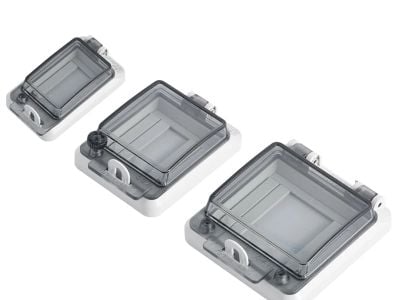
Ensuring stable operation of control systems with a precision regulator is critical for maintaining the efficiency and reliability of industrial automation processes. Precision regulators are designed to provide steady voltage or current levels, which is essential for the proper functioning of control systems. B2B buyers, including purchasing managers and engineers, often seek clarity on specifications, potential issues, and installation guidelines before making purchasing decisions. This article will help you understand the key aspects of precision regulators, enabling informed choices that align with operational needs.
Comparing Specifications of Precision Regulators for Control Systems
When evaluating precision regulators, crucial specifications include output voltage range, current rating, load regulation, and response time.
Output Voltage Range: This specification defines the minimum and maximum output voltage the regulator can maintain. Buyers should ensure the chosen regulator's range matches the requirements of the control systems it will support. An unsuitable voltage range can lead to underperformance or even damage to connected equipment.
Current Rating: It’s vital to select a regulator that can handle the expected load current without overheating or failing. Exceeding the current rating can result in overheating, which can jeopardize system stability.
Load Regulation: This measures how well the regulator can maintain a constant output voltage despite variations in load current. A low load regulation value indicates a more stable output, which is essential for sensitive control systems.
Response Time: This refers to how quickly the regulator can adjust to changes in load. A fast response time is critical in dynamic environments where load conditions frequently fluctuate.
Understanding these specifications allows buyers to select a precision regulator that aligns with their control system requirements, ensuring stable operation and minimizing potential disruptions.
Understanding Cost Factors for Precision Regulators in Bulk Purchases
Cost factors for precision regulators can vary significantly based on several aspects. First, the unit price generally decreases with larger order quantities due to economies of scale. However, additional costs may arise from customization requests, including specific dimensions or materials tailored to unique applications.
Material Quality: High-quality materials may incur a higher initial cost but can lead to longer-lasting performance and reduced maintenance expenses. Buyers should consider life cycle costs rather than just upfront costs.
Lead Time: Regulators that require custom specifications or certifications may have longer lead times, impacting inventory management and operational continuity. Planning ahead for longer lead times can mitigate disruptions in production schedules.
Shipping Costs: Depending on the electric regulator order size and destination, shipping fees can also influence total costs. Bulk orders may qualify for reduced shipping rates, making them more cost-effective overall.
Understanding these factors equips buyers to negotiate effectively and budget accurately for their precision regulator purchases.
Common Problems with Control Systems and Precision Regulator Solutions
Control systems can encounter various issues that precision regulators can help mitigate. One common problem is voltage fluctuations, which can lead to erratic system performance and errors in automated processes. Precision regulators provide stable voltage output, reducing the likelihood of these fluctuations impacting sensitive equipment.
Another issue is overheating due to excessive load currents. Precision regulators designed with thermal protection features can help manage heat dissipation, ensuring that the system operates within safe temperature ranges. This not only prolongs the life of the regulator but also prevents damage to connected components.
Additionally, noise interference from electrical components can affect control system performance. weather resistant electrical box with low output noise specifications can help maintain signal integrity, leading to more reliable operations.
By addressing these common problems, precision regulators play a vital role in enhancing the reliability and efficiency of control systems in industrial applications.
Installation Guidance for Precision Regulators in Industrial Applications
Proper installation of precision regulators is crucial for optimal performance. Here are some key considerations:
Mounting Location: Regulators should be installed in a location that minimizes exposure to dust, moisture, and extreme temperatures. This helps maintain their performance and prolongs their lifespan.
Wiring Practices: Use appropriate gauge wire for connections to ensure minimal voltage drop and heat generation. It’s advisable to follow the manufacturer's wiring guidelines to avoid potential issues during operation.
Testing Before Use: After installation, conduct tests to verify that the regulator is functioning correctly. This can include checking output voltage with a multimeter and ensuring the response to load changes meets specifications.
Documentation: Keep installation documentation and specifications on hand for future reference. This can help during troubleshooting and maintenance.
Adhering to these installation practices ensures that precision regulators operate effectively within control systems, providing the stability necessary for industrial automation.
The Impact of Material Quality on Performance
The materials used in precision regulators significantly influence their performance and longevity. For example, high-grade metals for connections and housings can enhance conductivity and reduce heat generation, while lower-quality materials may lead to increased resistance and failure over time.
Insulation Materials: The choice of insulation materials affects the regulator's ability to withstand electrical stress and environmental conditions. Using robust insulation helps prevent short circuits and ensures safe operation.
Coating and Finishing: Protective coatings can enhance resistance to corrosion and mechanical wear. This is particularly important in harsh industrial environments where exposure to chemicals or moisture is common.
Buyers should verify material specifications and quality certifications when selecting box waterproof electrical. High-quality materials not only ensure reliable performance but also translate to lower maintenance costs and extended service life.
By understanding the critical role of material quality, B2B buyers can make informed decisions that enhance the long-term reliability of their control systems.
Table of Contents
- Comparing Specifications of Precision Regulators for Control Systems
- Understanding Cost Factors for Precision Regulators in Bulk Purchases
- Common Problems with Control Systems and Precision Regulator Solutions
- Installation Guidance for Precision Regulators in Industrial Applications
- The Impact of Material Quality on Performance