

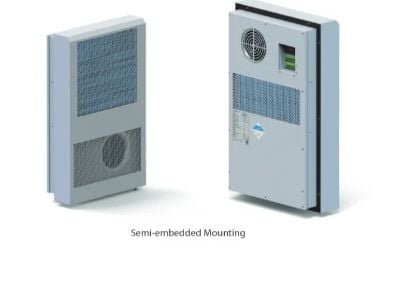
Active cooling strategies are essential for maintaining optimal operating conditions in harsh environments, particularly when utilizing outdoor air conditioners. These systems are designed to manage temperature extremes, humidity, and dust infiltration, which can lead to equipment failure and increased operational costs. This article will help B2B buyers, including purchasing managers and engineers, understand how to select the right outdoor air conditioners for demanding conditions, evaluate key specifications, identify reliable suppliers, and consider the cost factors involved in their purchase.
How to Choose Outdoor Air Conditioners for Harsh Environments?
When selecting outdoor air conditioners for harsh environments, buyers should focus on several critical factors: durability, performance specifications, and compatibility with existing systems. Look for units that are designed specifically for outdoor use, with weather-resistant enclosures to protect against moisture and debris. The cooling capacity must be adequate for the intended application, ensuring that the system can effectively manage ambient temperature fluctuations.
It’s also crucial to assess the installation environment. Factors such as temperature range, potential exposure to corrosive substances, and the presence of dust or particulate matter can significantly affect performance. Units with higher IP ratings (Ingress Protection) are preferable, as they offer better sealing against environmental hazards. Buyers should also consider whether the cabinet air conditioner can be integrated with existing control systems, which is particularly important in automated industrial settings.
Key Specifications for Reliable Outdoor Air Conditioning Solutions
Specific technical specifications are vital when evaluating outdoor air conditioners. These include:
Cooling Capacity: Measured in BTUs or kilowatts, this indicates the unit's ability to remove heat from the environment. It's essential to choose a capacity that matches the load requirements of the equipment being cooled.
Energy Efficiency Ratio (EER): A higher EER indicates a more efficient unit, which can lead to significant energy cost savings over time. Look for models with high EER ratings to ensure long-term operational efficiency.
Temperature Range: Ensure the unit can operate within the temperature extremes expected in the installation environment. Some models are designed to function effectively in temperatures as low as -20°C or as high as 50°C.
Noise Levels: For environments where noise is a concern, check the electrical cabinet air conditioner decibel (dB) rating of the unit. Models designed for quieter operation can be beneficial in sensitive applications.
Maintenance Features: Units with easily accessible filters and components will simplify maintenance, reducing downtime and operational interruptions.
By focusing on these specifications, buyers can choose outdoor air conditioners that not only meet their cooling needs but also provide reliable long-term performance.
Top Suppliers of Outdoor Air Conditioners
When looking for reliable outdoor air conditioner suppliers, consider manufacturers with a proven track record in the industrial sector. Key attributes to look for include:
Industry Expertise: Suppliers with extensive experience in outdoor cooling solutions for harsh environments are more likely to understand your specific needs and challenges.
Product Range: A supplier that offers a diverse range of products can provide you with options that best fit your requirements, including customized solutions.
Technical Support: Evaluate the level of technical support offered by the supplier. Access to knowledgeable customer service representatives can help with installation and troubleshooting.
Certifications: Look for suppliers that adhere to industry standards and possess relevant certifications, which can assure product quality and safety.
Customer Reviews: Feedback from other businesses can provide insights into the supplier's reliability, product performance, and service quality.
By choosing reputable suppliers, buyers can mitigate risks associated with performance and reliability in harsh conditions.
Evaluating Quality in Outdoor Air Conditioners for Industrial Use
Quality evaluation is critical when selecting outdoor air conditioners, particularly for industrial applications. Here are some critical quality indicators to consider:
Material Quality: Assess the materials used in the construction of the air conditioning unit. Corrosion-resistant materials, such as stainless steel or coated aluminum, are recommended for harsh environments to prolong lifespan.
Quality Control Processes: Inquire about the manufacturer’s quality control processes. A robust quality assurance program should include testing for performance under extreme conditions and thorough inspections before shipping.
Warranty and Service Agreements: A manufacturer that offers a comprehensive warranty and service agreements demonstrates confidence in their product quality. Ensure that the warranty covers critical components and includes terms for maintenance support.
Field Performance: Whenever possible, check for case studies or performance data from similar applications. Units that have proven performance in environments similar to your own are more likely to meet your needs.
Installation and Maintenance: Evaluate the ease of installation and maintenance. Units designed with user-friendly features can reduce downtime and maintenance costs.
By considering these quality indicators, buyers can make informed decisions and select outdoor air conditioners that are reliable and suitable for their industrial applications.
Cost Factors to Consider When Purchasing Outdoor Air Conditioners
Understanding the cost factors involved in purchasing outdoor air conditioners is essential for budget planning. Key considerations include:
Initial Purchase Price: While it may be tempting to opt for the lowest-priced unit, consider the long-term operational costs associated with energy efficiency and maintenance.
Installation Costs: Factor in the cost of installation, which can vary based on the complexity of the setup and any necessary modifications to existing infrastructure.
Operating Costs: Evaluate the cupboard air conditioner expected operating costs, including energy consumption. Units with higher energy efficiency ratings can lead to significant savings over time.
Maintenance Costs: Regular maintenance is crucial for ensuring longevity and consistent performance. Consider the costs associated with routine maintenance and the availability of spare parts.
Custom Features: Customization options can affect pricing. Discuss any specific requirements with suppliers, as customized features may incur additional costs.
By considering these factors, buyers can make more informed financial decisions and select outdoor air conditioners that provide value over their entire lifecycle.
Table of Contents
- How to Choose Outdoor Air Conditioners for Harsh Environments?
- Key Specifications for Reliable Outdoor Air Conditioning Solutions
- Top Suppliers of Outdoor Air Conditioners
- Evaluating Quality in Outdoor Air Conditioners for Industrial Use
- Cost Factors to Consider When Purchasing Outdoor Air Conditioners