

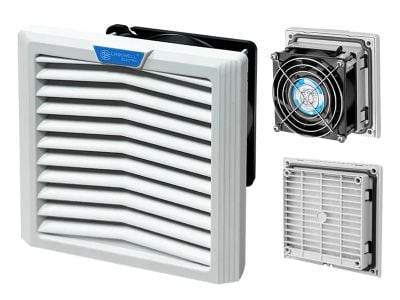
Filter fans are essential components in maintaining optimal temperatures within standard control panels, particularly in automated systems and switchgear applications. As industrial environments often produce heat that can affect electronic components, understanding why a filter fan is a cost-effective cooling solution becomes crucial for purchasing managers, engineers, and product managers. This article explores how to choose the right filter fan, key specifications to consider, quality evaluation, installation guidance, and the diverse applications of filter fans in various industrial settings.
How to Choose the Right Filter Fan for Control Panel Cooling?
Selecting the right filter fan requires understanding the specific cooling needs of your control panel. Factors such as the size of the panel, the ambient temperature, and the heat generated by the components play significant roles in determining the appropriate fan specifications. Firstly, assess the cooling requirements based on the heat load of the cabinet filter fan. A fan must be capable of providing sufficient airflow to regulate temperature effectively. Additionally, consider the fan's size, as it should fit within the allocated space without obstructing other components. Another important aspect is the noise level of the fan. In environments where noise is a concern, look for low-noise models that still provide adequate cooling. Lastly, evaluate the fan's energy efficiency, as energy costs can accumulate over time, affecting overall operating costs.
Key Specifications to Consider for Filter Fans in Control Panels
When selecting a filter fan, several key specifications should be taken into account:
Airflow Rate: Measured in cubic feet per minute (CFM), this indicates how much air the fan can move. Higher airflow rates are necessary for panels with more significant heat generation.
Static Pressure: This measures the resistance the fan can overcome when pushing air through filters and other obstructions. A fan with adequate static pressure ensures that airflow remains consistent, even in restrictive environments.
Electrical Ratings: Ensure the fan's voltage and current ratings match the control panel's electrical system. This will prevent electrical issues and ensure safe operation.
Filter Type: The type of filter used can significantly impact performance. HEPA filters, for example, provide high filtration efficiency, while standard filters may suffice in less demanding applications.
Operating Temperature Range: The fan must operate effectively within the temperature range of the control panel environment, which may vary based on specific applications.
Understanding these specifications will help ensure that the filter fan selected is suitable for the intended application and can meet performance expectations.
Evaluating the Quality of Filter Fans for Industrial Applications
Quality evaluation of filter fans is critical to ensure reliable performance in demanding industrial settings. Start by checking for industry certifications, which indicate that the product has met specific safety and performance standards. Examine the materials used in the construction of the fan. High-quality plastics or metals can enhance durability and resistance to environmental factors such as moisture or dust. Additionally, look into the manufacturer's quality control processes; a company that employs rigorous testing and quality assurance measures is likely to provide more reliable products. Consider the warranty offered by the manufacturer as well. A comprehensive warranty can reflect the manufacturer's confidence in their product's longevity and performance. Finally, seek feedback from other users and reviews to gauge real-world performance and reliability. This can provide insights into any common issues or advantages associated with specific filter fans.
Installation Guidance for Filter Fans in Standard Control Panels
Proper installation of filter fans is crucial for achieving optimal performance. Begin by ensuring that the mounting surface is clean and free from debris to facilitate a tight seal. Next, follow the manufacturer's installation instructions carefully. This typically involves securing the fan with screws or clips and ensuring that it is oriented correctly for airflow direction. Pay attention to the electrical connections as well. Ensure that the wiring is done according to local regulations and the fan's specifications to avoid short-circuits or electrical failures. Finally, after installation, conduct a performance test to verify that the enclosure filter fan operates correctly and effectively cools the panel. This may involve monitoring temperature levels over time to ensure that the fan is functioning as intended.
Applications of Filter Fans in Various Industrial Settings
Filter fans are versatile components utilized across various industrial applications. In manufacturing settings, they help maintain optimal temperatures in control panels that manage machinery and automated processes, ensuring continuous operation and reducing the risk of overheating. In the telecommunications industry, filter fans are used in equipment racks to prevent heat buildup, which can lead to equipment failures. Similarly, in data centers, maintaining ambient temperatures is crucial for server performance, making filter fans an essential component in cooling systems. Moreover, in renewable energy sectors, such as solar power, filter fans help regulate temperatures in control panels associated with inverter systems, thus enhancing efficiency and reliability. In summary, the application of filter fans in industrial settings underscores their critical role in ensuring the longevity and performance of control panel systems across various sectors. Understanding how to select, evaluate, and install filter fans can significantly enhance operational efficiency and cost-effectiveness.
Table of Contents
- How to Choose the Right Filter Fan for Control Panel Cooling?
- Key Specifications to Consider for Filter Fans in Control Panels
- Evaluating the Quality of Filter Fans for Industrial Applications
- Installation Guidance for Filter Fans in Standard Control Panels
- Applications of Filter Fans in Various Industrial Settings