

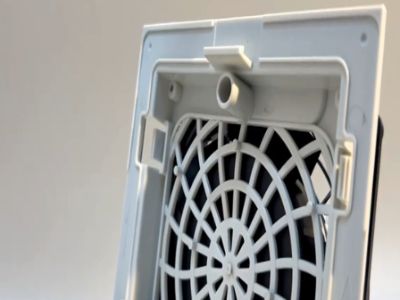
Quạt trục hướng tâm công suất cao là công cụ quan trọng nhằm giữ cho tủ điện luôn mát. Những tủ điện này là các hộp bảo vệ thiết bị điện khỏi bụi bẩn, độ ẩm và các yếu tố gây hại khác. Khi các thành phần bên trong trở nên quá nóng, chúng có thể hoạt động không đúng hoặc thậm chí bị hư hỏng. Vì vậy, bạn cần một hệ thống làm mát hiệu quả. Linkwell sản xuất các quạt trục hướng tâm công suất cao, có khả năng đẩy lưu lượng khí lớn để duy trì nhiệt độ mát cho các tủ điện này. Nhờ sử dụng những chiếc quạt này, doanh nghiệp có thể giúp thiết bị điện vận hành ổn định và kéo dài tuổi thọ. Hãy cùng tìm hiểu những đặc điểm khiến các quạt này phù hợp lý tưởng cho tủ điện cũng như những lợi ích chính mà chúng mang lại cho cơ sở của bạn.
Điều gì khiến chúng trở nên lý tưởng cho tủ điện?
Quạt trục chính chịu tải nặng rất phù hợp cho tủ điện vì nhiều lý do. Thứ nhất, chúng được thiết kế để có tuổi thọ dài lâu. Những chiếc quạt này được chế tạo từ các vật liệu bền bỉ, có khả năng chịu đựng điều kiện khắc nghiệt như nhiệt độ cao và bụi bẩn. Độ bền cao này giúp chúng không dễ bị hỏng, từ đó đảm bảo thiết bị của bạn vận hành ổn định. Một ưu điểm khác là khả năng đẩy lưu lượng không khí lớn với tốc độ nhanh. Đây là yếu tố then chốt bởi khi các thiết bị điện sinh nhiệt, chúng cần được làm mát nhanh chóng. Quạt Trục có thể đẩy lưu lượng không khí lớn qua tủ điện, giúp duy trì nhiệt độ ở mức thấp. Đồng thời, chúng chiếm diện tích lắp đặt nhỏ gọn. Nhiều tủ điện có kích thước không lớn, nên việc sử dụng quạt dễ lắp đặt mà không chiếm nhiều không gian là một lợi thế. Độ ồn cũng là yếu tố quan trọng. Quạt trục chính chịu tải nặng được thiết kế để vận hành êm ái, điều này rất hữu ích tại những nơi yêu cầu sự yên tĩnh, ví dụ như văn phòng. Chúng còn giúp giảm chi phí năng lượng. Các quạt này tiết kiệm năng lượng, do đó không tiêu thụ quá nhiều điện. Điều này vừa có lợi cho môi trường, vừa giúp tiết kiệm chi phí tiền điện. Quạt trục chính của Linkwell sở hữu đầy đủ những tính năng trên, khiến chúng trở thành lựa chọn thông minh cho tủ điện.
Những Lợi Ích Chính Khi Sử Dụng Quạt Trục Hướng Tâm Cỡ Lớn Trong Cơ Sở Của Bạn Là Gì?
Có nhiều lợi ích khi sử dụng quạt trục hướng tâm công nghiệp trong cơ sở của bạn. Một lợi ích lớn là độ tin cậy. Khi bạn có thiết bị điện, bạn muốn chúng hoạt động liên tục. Những chiếc quạt này ngăn chặn tình trạng quá nhiệt—nguyên nhân gây hỏng thiết bị. Bằng cách duy trì nhiệt độ ổn định, chúng giúp máy móc vận hành liên tục mà không bị gián đoạn. Một lợi ích khác là tính an toàn. Thiết bị quá nóng có thể gây cháy hoặc các mối nguy hiểm khác. Các quạt này giúp hạ nhiệt độ, từ đó làm cho môi trường làm việc an toàn hơn. Chúng cũng kéo dài tuổi thọ thiết bị. Khi thiết bị vận hành ở nhiệt độ thấp hơn, chúng bền bỉ hơn, nghĩa là ít phải thay thế hơn và tiết kiệm chi phí theo thời gian. Ngoài ra, quạt trục hướng tâm công nghiệp còn góp phần nâng cao năng suất. Khi thiết bị vận hành tốt, người lao động hoàn thành công việc nhanh hơn. Chẳng ai thích phải xử lý những thiết bị thường xuyên hỏng hóc. Vì vậy, hệ thống làm mát đáng tin cậy giúp mọi người làm việc hiệu quả hơn. Hơn nữa, những chiếc quạt này rất dễ bảo trì. Chúng không yêu cầu vệ sinh thường xuyên, nhờ đó bạn có thể tập trung vào các nhiệm vụ khác. Cuối cùng, việc lắp đặt quạt trục hướng tâm công nghiệp mang lại hiệu quả chi phí cao. Chúng không quá đắt để mua hay vận hành, đồng thời khoản tiết kiệm năng lượng tích lũy theo thời gian là đáng kể. Với tất cả những ưu điểm trên, quạt trục hướng tâm công nghiệp của Linkwell là một lựa chọn thông minh nhằm đảm bảo an toàn và duy trì hoạt động ổn định cho thiết bị.
Ở đâu để mua quạt trục chính loại nặng chất lượng cao nhằm đảm bảo hiệu suất tốt
Khi tìm kiếm quạt trục chính loại nặng, điều quan trọng là phải chọn đúng nơi để mua. Một nguồn cung uy tín sẽ giúp bạn sở hữu những chiếc quạt chất lượng cao và vận hành hiệu quả. Một lựa chọn đáng cân nhắc là Linkwell. Linkwell nổi tiếng với việc sản xuất các loại quạt bền bỉ, có khả năng đáp ứng các yêu cầu khắt khe. Khi mua sắm tại Linkwell, bạn có thể yên tâm rằng mình đang nhận được những chiếc quạt dành cho công việc thực tế.
Để tìm được những chiếc quạt phù hợp nhất, hãy truy cập trang web của Linkwell. Tại đây, bạn có thể xem xét nhiều mẫu quạt trục chính khác nhau và xác định sản phẩm nào phù hợp với nhu cầu của mình. Bạn sẽ thấy các lựa chọn về kích thước và mức công suất khác nhau. Mỗi sản phẩm đều đi kèm thông tin chi tiết để hỗ trợ bạn đưa ra quyết định. Việc đọc đánh giá từ khách hàng cũng rất hữu ích — những phản hồi này cho biết hiệu quả thực tế của quạt trong quá trình sử dụng.
Ngoài trang web, bạn cũng có thể tìm thấy quạt Linkwell tại các cửa hàng địa phương. Việc đến trực tiếp cửa hàng giúp bạn quan sát kỹ lưỡng sản phẩm và đặt câu hỏi. Nhân viên cửa hàng có thể tư vấn để bạn chọn được chiếc quạt phù hợp nhất cho tủ điều khiển hoặc hệ thống của mình. Hãy hỏi rõ về chế độ bảo hành và chính sách đổi trả. Việc biết rằng bạn có thể hoàn trả sản phẩm nếu không hài lòng sẽ giúp bạn an tâm hơn khi mua sắm.
Ngoài ra, một số trang web bán hàng trực tuyến cũng cung cấp quạt Linkwell. Luôn kiểm tra xem người bán có uy tín hay không để tránh mua phải sản phẩm kém chất lượng. Hãy nhớ rằng luồng khí tốt là yếu tố quan trọng đối với thiết bị an toàn, vì vậy hãy lựa chọn cẩn thận!
Làm Thế Nào Để Tận Dụng Tối Đa Quạt Trục Đối Xứng Chuyên Dùng Nhằm Kéo Dài Tuổi Thọ Sử Dụng
Sau khi đã mua quạt chuyên dụng quạt trục công nghiệp , bạn muốn chúng hoạt động lâu dài và đúng chức năng. Để đạt được điều này, bạn cần bảo dưỡng đúng cách và sử dụng phù hợp. Trước hết, việc kiểm tra định kỳ là rất quan trọng. Hãy thường xuyên quan sát quạt để phát hiện bụi bám. Nếu có bụi tích tụ, hãy làm sạch ngay. Dùng khăn mềm hoặc bàn chải nhẹ nhàng lau sạch cánh quạt. Việc giữ quạt luôn sạch sẽ giúp nâng cao hiệu suất và kéo dài tuổi thọ hoạt động.
Một cách khác để khai thác tối đa hiệu quả là bố trí quạt đúng vị trí trong tủ điều khiển. Đảm bảo quạt có đủ khoảng trống để luồng khí lưu thông tự do. Nếu bị chắn, quạt sẽ không làm mát hiệu quả. Bạn có thể lắp đặt quạt kèm cảm biến nhiệt độ. Như vậy, quạt sẽ tự động bật khi nhiệt độ tăng cao và ngăn chặn tình trạng quá nhiệt một cách tự động.
Việc lựa chọn loại quạt phù hợp cho từng ứng dụng cũng rất quan trọng. Linkwell cung cấp nhiều mẫu mã khác nhau nhằm đáp ứng nhu cầu đa dạng. Hãy chọn loại quạt phù hợp về kích thước và khả năng làm mát cho tủ điều khiển của bạn. Nếu chưa chắc chắn, hãy liên hệ với Linkwell để được hỗ trợ. Họ sẽ tư vấn cho bạn loại quạt tối ưu nhất.
Cuối cùng, quan sát cách quạt hoạt động. Nếu phát ra tiếng ồn lạ hoặc luồng khí yếu, có thể đã đến lúc cần bảo trì. Sửa chữa những vấn đề nhỏ ngay từ đầu sẽ giúp tiết kiệm chi phí về sau. Bằng cách chăm sóc đúng cách các quạt trục công suất cao, bạn đảm bảo chúng vận hành ổn định trong nhiều năm.
Cách Quạt Trục Công Suất Cao Ngăn Chặn Hiện Tượng Quá Nhiệt Trong Các Hệ Thống Điện Trọng Yếu
Quạt trục công suất cao đóng vai trò quan trọng trong việc làm mát các hệ thống điện. Khi thiết bị vận hành, nó sinh ra nhiệt. Nếu nhiệt tích tụ quá mức, có thể gây ra các sự cố như hỏng hóc hoặc cháy nổ. Đó là lúc quạt trục công suất cao phát huy tác dụng. Quạt trục ac chúng đẩy luồng không khí, đưa không khí mát vào và không khí nóng ra ngoài.
Việc sử dụng quạt Linkwell đảm bảo khả năng làm mát mạnh mẽ cho các hệ thống. Những quạt này được thiết kế để chịu được nhiệt độ cao và làm việc trong điều kiện khắc nghiệt, nhờ đó giúp bảo vệ thiết bị an toàn. Khi lắp đặt đúng cách, chúng tạo ra luồng khí ổn định nhằm duy trì nhiệt độ đồng đều.
Một ưu điểm khác là quạt có thể lắp đặt ở nhiều vị trí khác nhau. Bạn có thể đặt chúng ở phía trên hoặc phía dưới — tùy thuộc vào đâu là vị trí tối ưu cho hệ thống của bạn. Vị trí lắp đặt rất quan trọng vì không khí nóng có xu hướng bốc lên trên, do đó lắp quạt ở vị trí cao sẽ giúp loại bỏ không khí nóng nhanh hơn.
Trong các hệ thống then chốt, nơi tình trạng quá nhiệt đồng nghĩa với chi phí ngừng hoạt động, quạt làm mát đáng tin cậy là yếu tố thiết yếu. Các quạt trục công suất cao của Linkwell vận hành liên tục mà không gặp sự cố. Điều này mang lại sự an tâm cho các doanh nghiệp cần hệ thống luôn hoạt động ổn định. Bằng cách ngăn ngừa quá nhiệt nhờ quạt làm mát, bạn giúp thiết bị vận hành trơn tru.
Quạt trục công suất cao là yếu tố then chốt để làm mát tủ điều khiển. Nhờ lựa chọn sản phẩm chất lượng từ Linkwell, bảo dưỡng đúng cách và hiểu rõ khả năng làm mát, bạn sẽ bảo vệ thiết bị khỏi tình trạng quá nhiệt.
Mục lục
- Điều gì khiến chúng trở nên lý tưởng cho tủ điện?
- Những Lợi Ích Chính Khi Sử Dụng Quạt Trục Hướng Tâm Cỡ Lớn Trong Cơ Sở Của Bạn Là Gì?
- Ở đâu để mua quạt trục chính loại nặng chất lượng cao nhằm đảm bảo hiệu suất tốt
- Làm Thế Nào Để Tận Dụng Tối Đa Quạt Trục Đối Xứng Chuyên Dùng Nhằm Kéo Dài Tuổi Thọ Sử Dụng
- Cách Quạt Trục Công Suất Cao Ngăn Chặn Hiện Tượng Quá Nhiệt Trong Các Hệ Thống Điện Trọng Yếu