

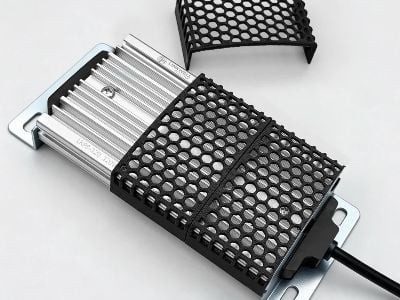
Preventing condensation damage in outdoor enclosures with a panel heater is crucial for maintaining the integrity and functionality of electrical components. Condensation can lead to rust, corrosion, and electrical failures, which are major concerns for purchasing managers and engineers responsible for outdoor equipment. This article will explore how panel heaters effectively mitigate these issues, provide insights on sourcing reliable products, outline key specifications to consider, offer installation guidance, and highlight important information for wholesale buyers.
How Panel Heaters Prevent Condensation Damage in Electrical Enclosures?
Panel heaters are essential for regulating temperature within outdoor enclosures, preventing condensation by maintaining a consistent internal climate. When warm, moist air from the environment enters a cooler enclosure, it can condense on surfaces, leading to water accumulation. This moisture often results in corrosion, short circuits, and overall equipment failure. By installing a panel heater, you ensure that the internal temperature remains above the dew point, thereby reducing the risk of condensation. These heaters use low voltage and are designed for energy efficiency, making them suitable for continuous operation in demanding environments. Additionally, with reliable temperature control, they prevent overheating and excessive humidity, further safeguarding sensitive electronic components.
Where to Source Reliable Panel Heaters for Industrial Use?
When sourcing panel heaters for industrial applications, it is crucial to choose a reputable manufacturer like Linkwell Electric, which specializes in low voltage electrical products. Buyers should look for suppliers with a proven track record in providing durable and efficient heating solutions tailored for outdoor enclosures.
Considerations when selecting a supplier include their manufacturing capabilities, the range of products offered, and their ability to customize solutions based on specific requirements. It's also beneficial to evaluate the supplier's quality control processes and certifications to ensure that the panel heater meet industry standards. Engaging with suppliers who are experienced in the switchgear and automation industries can provide additional insights into the best practices for installation and maintenance.
Key Specifications to Consider for Outdoor Panel Heaters
When evaluating panel heaters for outdoor enclosures, several key specifications should be checked to ensure compatibility and performance:
Wattage: The wattage rating will determine the heater's capacity to maintain an appropriate temperature within the enclosure. It's important to calculate the enclosure's size and insulation properties to select a heater with adequate wattage.
Material: Look for heaters made from corrosion-resistant materials, especially if they will be exposed to harsh environmental conditions. Common materials include aluminum and stainless steel, which offer durability and longevity.
Ingress Protection Rating (IP Rating): An IP rating indicates the level of protection against dust and moisture. For outdoor applications, a minimum rating of IP55 is typically recommended to ensure the heater is well-protected from environmental factors.
Temperature Control Features: Heaters equipped with thermostats or temperature sensors provide better control and energy efficiency by adjusting the heat output based on internal conditions.
Mounting Options: Ensure that the panel heater can be easily mounted in the intended enclosure space, considering factors like available mounting brackets and orientation.
Confirming these specifications will help buyers select the right panel heater for their specific applications, minimizing the risk of condensation damage.
Installation Guidance for Panel Heaters in Outdoor Enclosures
Proper installation of panel heaters is critical for optimal performance in outdoor enclosures. Here are several guidelines to ensure effective installation:
Location: Install the heater in a position where it can evenly distribute heat throughout the enclosure. Avoid placing it too close to sensitive components to prevent overheating.
Wiring: Ensure that electrical connections are secure and comply with local electrical codes. Use appropriate wire gauges and protective conduits to safeguard against moisture ingress.
Thermostat Placement: If the heater has a built-in thermostat, it should be placed at a location that accurately reflects the enclosure's internal temperature. This placement ensures that the heater operates efficiently without overheating.
Ventilation: While heaters are designed to prevent condensation, adequate ventilation is still necessary to allow for airflow, which helps in heat distribution and reduces humidity levels.
Regular Maintenance: After installation, establish a maintenance schedule to check for dust accumulation and verify that the heater operates correctly. Regular inspection helps identify potential issues before they escalate.
By following these installation guidelines, buyers can enhance the longevity and performance of their panel heaters, ensuring effective condensation prevention.
What Wholesale Buyers Need to Know About Panel Heaters?
Wholesale buyers should consider several factors when purchasing panel heaters to ensure they meet industry needs and customer expectations:
Minimum Order Quantity (MOQ): Understand the supplier's MOQ, as this will impact inventory management and cost-effectiveness. Many manufacturers provide flexibility for larger orders.
Customization Options: Inquire about customization capabilities, as certain applications may require specific dimensions, wattage, or materials. A supplier that offers customization can better meet unique project requirements.
Lead Times: Be aware of the production lead times for panel heater 500w, especially if the project has tight deadlines. Understanding these timelines can help in planning and avoiding delays.
Shipping and Packaging: Ensure that shipping methods and packaging are suitable for the destination and that they protect the heaters from damage during transit.
Quality Assurance: Verify the quality control measures in place at the manufacturing facility. This can include testing protocols, certifications, and inspection processes to ensure that the heaters meet performance standards.
By considering these factors, wholesale buyers can make informed purchasing decisions, ensuring that the panel heaters they select will effectively prevent condensation damage in outdoor enclosures and meet the demands of their projects.
Table of Contents
- How Panel Heaters Prevent Condensation Damage in Electrical Enclosures?
- Where to Source Reliable Panel Heaters for Industrial Use?
- Key Specifications to Consider for Outdoor Panel Heaters
- Installation Guidance for Panel Heaters in Outdoor Enclosures
- What Wholesale Buyers Need to Know About Panel Heaters?