

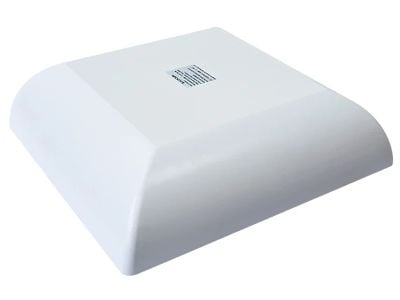
Top-mounted air extraction systems are essential for ensuring optimal ventilation in control cabinets, particularly when using roof fans. These systems not only regulate the temperature but also maintain the integrity of sensitive electronic components housed within the cabinets. For purchasing managers and engineers, understanding how to select the right roof fan for air extraction is crucial, as it directly impacts operational efficiency and system reliability. This article will provide practical insights into choosing air extraction solutions, focusing on key specifications, cost factors, common ventilation issues, and what to look for in high-quality air extraction fans.
How to Choose the Right Roof Fan for Control Cabinet Ventilation?
Selecting the right roof fan for control cabinet ventilation starts with understanding the specific requirements of the application. Key considerations include the size of the cabinet, the amount of heat generated by the equipment, and the ambient temperature of the installation environment.
Size and Airflow: Ensure the fan chosen can provide adequate airflow (measured in cubic feet per minute, CFM) to dissipate heat effectively. Calculate the heat load based on the equipment installed in the cabinet to determine the necessary airflow.
Mounting Compatibility: Verify that the roof fan design matches the cabinet's mounting specifications. Top-mounted fans should fit securely without compromising the cabinet's structural integrity.
Noise Level: Depending on the installation location, the noise generated by the fan may be a concern. Look for fans designed to operate quietly, especially in environments where noise could be disruptive.
Durability and Environment: Consider the operating environment. Fans made from corrosion-resistant materials are essential for led lights for kitchen cabinets located in harsh conditions, such as those exposed to moisture or chemicals.
Incorporating these factors will help ensure that the selected roof fan not only fits the physical space but also meets the performance requirements of the control cabinet.
Key Specifications to Consider for Air Extraction Roof Fans
When evaluating roof fans for air extraction, several key specifications should be closely examined:
Airflow Rate (CFM): This is critical for ensuring sufficient ventilation. Calculate the required CFM based on the size of the cabinet and the heat output of the enclosed equipment.
Static Pressure: This specification indicates how well the fan can overcome resistance from filters, ductwork, or other components. A fan with a higher static pressure rating is necessary for systems with significant airflow restrictions.
Power Consumption: Evaluate the fan’s energy efficiency. Lower power consumption can lead to reduced operational costs over time, making it a crucial factor for long-term sustainability.
Temperature Rating: Ensure the fan can operate effectively within the led strips for cabinets temperature range of the application. Fans designed for higher temperatures are crucial for environments where heat buildup occurs.
Material and Build Quality: Materials should be selected based on the environment. For instance, plastic fans may be suitable for indoor use, while metal fans are typically more durable for outdoor or industrial applications.
Understanding these specifications allows buyers to make informed decisions tailored to their specific ventilation needs.
Understanding the Cost Factors for Roof Fans in Industrial Cabinets
The cost of roof fans for control cabinets can vary widely based on several factors. Here are the primary elements that influence pricing:
Material and Build Quality: Fans constructed from high-quality materials, such as stainless steel or specialized plastics, may have a higher upfront cost but will offer better durability and performance in challenging environments.
Design Features: Additional features such as variable speed control, integrated filters, or noise-reducing technologies can increase the cost. While these features may raise initial expenses, they often lead to improved operational efficiency and longer life.
Customization: Custom-built fans tailored to specific dimensions or performance requirements typically incur higher costs. However, they can provide a better fit and more effective airflow management.
Brand Reputation: Established manufacturers may charge a premium due to their reputation for reliability and performance. Investing in a reputable brand can reduce the risk of issues that may arise from cheaper, lower-quality alternatives.
Volume Discounts: Purchasing in bulk can sometimes lead to discounts. Buyers should consider long-term needs and order quantities to capitalize on potential savings.
By understanding these cost factors, buyers can better evaluate their options and make decisions that align with their budget and performance needs.
Common Problems with Control Cabinet Ventilation and Solutions
Control cabinet ventilation can pose several challenges that may impact the performance and reliability of enclosed equipment. Here are common issues and their solutions:
Overheating: Insufficient airflow can lead to overheating, which can cause equipment failure. To mitigate this, ensure that the selected roof fan can achieve the required CFM based on heat load calculations, and consider adding additional fans for larger cabinets.
Dust and Contaminant Ingress: Fans can draw in dust and contaminants, leading to potential equipment failure. Installing high-efficiency filters on fan inlets can help prevent debris from entering the cabinet while still allowing adequate airflow.
Noise: Excessive noise from fans can be disruptive. Opt for fans designed for quiet operation, and consider vibration dampening solutions to minimize sound transmission.
Fan Failure: Regular maintenance is crucial to avoid fan failures. Implement a routine inspection schedule to check for signs of wear or damage and replace fans as necessary to maintain optimal performance.
By proactively addressing these common ventilation issues, businesses can enhance the reliability and longevity of their control cabinet systems.
What to Look for in Air Extraction Fans?
When selecting air extraction fans for control cabinets, consider the following essential features to ensure optimal performance and reliability:
Efficiency Ratings: Look for fans with high-efficiency ratings to reduce energy consumption while maintaining airflow. This is crucial for minimizing operational costs in the long term.
Adjustability: Fans with adjustable speed settings allow for greater control over airflow based on real-time heating needs, making them versatile for varying operational conditions.
Ease of Maintenance: Choose fans that are easy to access for maintenance and cleaning. Models with removable covers or integrated filters can facilitate regular upkeep, ensuring consistent performance.
Manufacturer Support: Opt for suppliers that provide comprehensive support, including installation assistance, warranty, and after-sales service. This can be critical for addressing any operational challenges that arise post-purchase.
Compatibility with Control Systems: Ensure that the strip lighting for cabinets can integrate with existing control systems for monitoring and automation. This can enhance operational efficiency and provide valuable data for system management.
By focusing on these features, buyers can select air extraction fans that not only meet immediate needs but also provide long-term reliability and efficiency in control cabinet applications.