

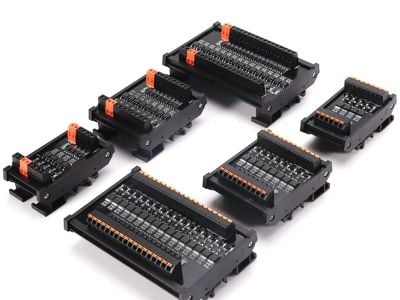
A Power Distribution Block (PDB) plays a crucial role in the control cabinets of wind turbines by providing a reliable and organized platform for distributing electrical power. These blocks are essential for managing the electrical connections and ensuring efficient operation within the wind turbine system. For B2B buyers, including purchasing managers and electrical engineers, understanding the intricacies of PDBs is vital for making informed decisions. This article will delve into how to choose reliable power distribution blocks for wind turbines, highlight key specifications, evaluate quality, address common installation issues, and outline features and benefits that buyers should consider.
How to Choose Reliable Power Distribution Blocks for Wind Turbines?
Selecting the right power distribution block for wind turbine control cabinets involves several critical factors. First, assess the electrical specifications, including voltage ratings and current capacity. The PDB must support the operational requirements of the wind turbine system, which may have varying demands based on size and location. Material selection is another essential consideration. Power distribution blocks are typically made from durable materials like thermoplastics or metal alloys, which can withstand harsh environmental conditions such as moisture, temperature fluctuations, and UV exposure. For terminal block connector, where components are exposed to the elements, choosing a PDB with corrosion-resistant properties is crucial. Additionally, consider the configuration of the PDB, including the number of terminals needed for connections. This will depend on how the electrical components in the control cabinet are arranged. Furthermore, consult with manufacturers regarding customization options, as specific applications may require tailored solutions to enhance compatibility and performance.
Power Distribution Block Specifications for Efficient Wind Turbine Control
When evaluating PDBs for wind turbines, several specifications play a pivotal role in their efficiency and reliability. Key specifications include:
Voltage Rating: Ensure the PDB's voltage rating matches or exceeds the operational voltage of the wind turbine system.
Current Rating: The current rating must support peak loads, factoring in any potential surges during operation.
Material: As mentioned, the choice of materials impacts durability and resistance to environmental factors. Look for UL-listed or recognized materials for safety compliance.
Terminal Configuration: The layout should accommodate the specific wiring needs of the turbine's control system. Common configurations include single-row or double-row arrangements.
Temperature Range: The PDB should operate effectively within the temperature ranges expected in the electrical terminal block environment, which can vary significantly from cold to hot conditions.
Understanding these specifications helps ensure that the PDB will perform reliably, reducing the likelihood of electrical failures that can lead to downtime.
Evaluating Quality in Power Distribution Blocks for Wind Applications
Quality is paramount when selecting power distribution blocks for wind applications. Start by reviewing the manufacturer’s quality assurance processes. Established manufacturers, like Linkwell Electric, often implement rigorous testing standards during production, including:
Material Testing: Ensuring that materials meet specified strength and durability requirements.
Electrical Testing: Performing tests under operational conditions to verify that the PDB can handle the expected load without failures.
Environmental Testing: Assessing the product’s performance against environmental factors such as humidity, temperature, and exposure to chemicals.
Additionally, buyers should seek out certifications indicating compliance with industry standards (e.g., IEC, UL, or CE certifications). These certifications assure that the product has undergone independent testing and meets required safety and performance benchmarks.
Finally, it is beneficial to request samples for real-world testing. Observing the PDB under actual operating conditions allows buyers to evaluate its performance and compatibility before making bulk purchases.
Common Installation Issues with Power Distribution Blocks and Solutions
Installation of power distribution blocks in wind turbine control cabinets may present challenges if not properly managed. Some common issues include:
Space Constraints: Control cabinets in wind turbines can be limited in space. To mitigate this, select PDBs with compact designs that fit within available dimensions without compromising capacity.
Incorrect Wiring: Miswiring can lead to operational failures. Providing clear wiring diagrams and installation guides can help prevent this issue. Additionally, ensuring that all electrical personnel are trained on the specific requirements of the turbine system is crucial.
Thermal Management: Inadequate heat dissipation can lead to overheating. Consider PDBs that incorporate features like heat sinks or ventilation options to maintain optimal operating temperatures.
To address these issues, pre-installation planning is essential. Conducting a thorough review of the installation site and identifying potential obstacles can help streamline the process and reduce the risk of errors.
Features and Benefits for Buyers
When evaluating power distribution blocks, buyers should consider specific features that provide tangible benefits. These include:
Modularity: Some PDBs offer modular designs, allowing for easy expansion or reconfiguration as system needs change. This adaptability is beneficial in the evolving landscape of wind energy technology.
Integrated Safety Features: Look for PDBs with built-in safety mechanisms such as fuses or circuit breakers to protect against overloads and short circuits.
Customization Options: Many manufacturers provide customization capabilities, enabling buyers to configure PDBs according to specific dimensions, terminal arrangements, and material selections.
Environmental Ratings: PDBs with high IP (Ingress Protection) ratings ensure that dust and moisture do not compromise functionality, enhancing the overall reliability of the wind turbine control system.
By focusing on these features, buyers can improve the performance and longevity of their electrical systems, ultimately contributing to more efficient and reliable wind energy production. In summary, selecting the right power distribution block is critical in ensuring the effective operation of terminal screw block control cabinets. By understanding specifications, evaluating quality, addressing installation challenges, and recognizing beneficial features, buyers can make informed decisions that align with their operational needs and long-term goals.
Table of Contents
- How to Choose Reliable Power Distribution Blocks for Wind Turbines?
- Power Distribution Block Specifications for Efficient Wind Turbine Control
- Evaluating Quality in Power Distribution Blocks for Wind Applications
- Common Installation Issues with Power Distribution Blocks and Solutions
- Features and Benefits for Buyers