

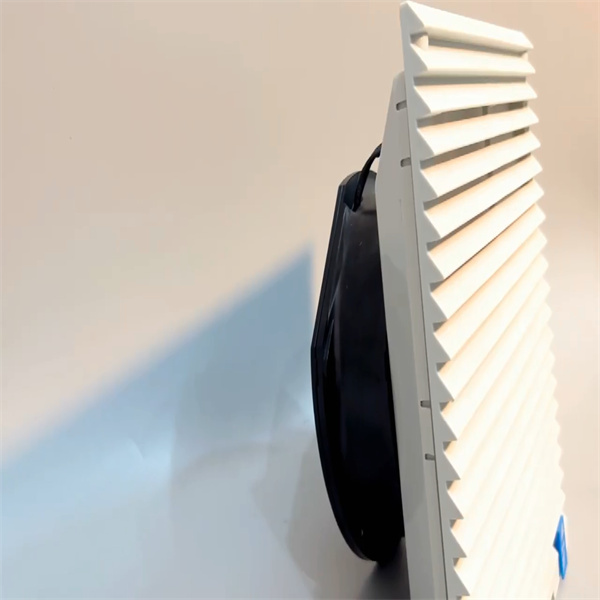
High-efficiency AC fans and axial fans are essential components in the design of industrial control panels, particularly for applications requiring effective thermal management and ventilation. This article will cover critical specifications, wholesale options, installation guidance, and cost considerations for high-efficiency AC fan solutions in control panels. Understanding these aspects will help purchasing managers, engineers, and product managers make informed decisions when sourcing these vital components.
High-Efficiency AC Fan Specifications for Industrial Control Panels
When selecting high-efficiency AC fan for industrial control panels, several specifications must be considered to ensure optimal performance. Key specifications include airflow capacity, noise levels, power consumption, and operational temperature range.
Airflow Capacity: Measured in cubic feet per minute (CFM), this indicates how much air the fan can move. For control panels, adequate airflow is vital to maintain equipment temperature and prevent overheating. Insufficient airflow can lead to component failure or reduced efficiency.
Noise Levels: The sound produced by the fan, measured in decibels (dB), can impact workplace environments. Selecting a fan with a low noise level is particularly important in settings where noise reduction is a priority.
Power Consumption: Understanding the wattage required for operation is crucial for energy efficiency. High-efficiency fans are designed to provide maximum airflow with minimal power usage, which translates into cost savings over time.
Operational Temperature Range: This specification indicates the ambient temperature within which the fan can operate effectively. Fans used in harsh environments should have a broader operational range to ensure reliable performance.
Material and Build Quality: The materials used in fan construction, such as high-quality plastics or metals, should withstand the operational environment and prevent corrosion or wear over time.
These specifications are crucial for determining the right fan for specific applications within control panels to ensure reliability and longevity.
Wholesale Options for High-Efficiency AC Fans and Axial Fans
For buyers looking to purchase high-efficiency AC fans and axial fans in bulk, several wholesale options can facilitate cost-effective sourcing. Bulk purchasing often comes with benefits such as reduced unit prices and flexible payment terms.
Minimum Order Quantity (MOQ): Understanding the MOQ is essential when negotiating with suppliers. This quantity can vary by manufacturer and may influence overall purchasing decisions. Buyers should inquire about MOQs that align with their project requirements.
Customization Options: Many manufacturers, including LINKWELL ELECTRIC, offer customization capabilities for high-efficiency fans. This can include adjustments to size, airflow specifications, or additional features such as speed controls or integrated filters, which can enhance application suitability.
Packaging and Shipping: Wholesale suppliers should provide details on packaging methods to ensure safe transport and minimize damage during shipping. Additionally, understanding lead times for delivery is critical for project planning.
Support and Services: Evaluate the level of customer support offered by suppliers, including technical assistance and warranty terms. Reliable support can be a decisive factor in maintaining operational efficiency.
By considering these wholesale options, purchasing managers can optimize their procurement strategy for high-efficiency AC fans and axial fans.
What Buyers Should Know
Before making a purchase, buyers should be aware of several factors that can impact their decision:
Compatibility: Ensure the selected fans are compatible with existing control panel designs and components. This includes verifying dimensions, electrical specifications, and airflow requirements.
Quality Assurance: Investigate the quality control processes of potential suppliers. Certifications such as ISO 9001 can indicate a commitment to maintaining high manufacturing standards.
Performance Testing: Request performance data or conduct tests on samples to ensure the fans meet operational requirements. Fans should be tested under conditions that replicate their intended application to validate performance claims.
Supplier Reputation: Research the supplier's history and reputation within the industry. A supplier with significant experience and positive feedback is likely to provide more reliable products and services.
Cost-Benefit Analysis: Evaluate the total cost of ownership, including energy consumption, maintenance, and potential downtime. Sometimes, a higher upfront cost can lead to greater savings over time due to efficiency and durability.
By considering these factors, buyers can make more informed decisions about their high-efficiency AC fan and axial fan purchases.
Installation Guidance for High-Efficiency AC Fans in Control Panels
Proper installation is crucial to ensuring the performance and longevity of high-efficiency AC fans within control panels. Here are key steps and considerations for installation:
Placement: Determine the optimal location for fan installation to maximize airflow and minimize obstruction. Fans should be positioned to facilitate the best possible air exchange, ideally aligning with the natural flow of air within the panel.
Electrical Connections: Follow manufacturer guidelines for electrical wiring to ensure safe and effective operation. Incorrect connections can lead to fan failure or potential hazards.
Sealing and Insulation: Ensure that the installation area is properly sealed to prevent dust ingress and moisture accumulation. Insulation may also be required to mitigate sound and improve energy efficiency.
Testing After Installation: After installation, conduct thorough testing to confirm that the fan operates as expected. Check for proper airflow, noise levels, and any vibrations that might indicate improper installation.
Maintenance Considerations: Establish a maintenance schedule to inspect and clean fans periodically. Dust accumulation can significantly reduce airflow efficiency and lead to overheating.
By following these installation guidelines, users can ensure their high-efficiency AC fans operate optimally within control panels.
Cost Factors to Consider When Purchasing High-Efficiency Fans
Several cost factors can influence the overall purchasing decision for high-efficiency AC and industrial axial fan:
Unit Price: While comparing prices, consider not only the unit cost but also the features and specifications that justify the price. A slightly higher initial investment in a more efficient fan can yield significant savings in energy costs.
Shipping and Handling: Factor in shipping costs when calculating the total purchase price. Bulk orders may qualify for reduced shipping rates or terms.
Installation Costs: If specialized installation is required, include these costs in your budget. Some fans may require modifications to existing control panels, which could incur additional expenses.
Energy Efficiency: Assess the long-term energy consumption of the fans. High-efficiency models may have a higher upfront cost but result in lower electricity bills over their lifespan.
Warranty and Support: Evaluate the warranty period offered by suppliers. A longer warranty may indicate greater confidence in the product's durability, providing added value to the purchase.
By understanding these cost factors, buyers can make better-informed decisions that align with their budgets and operational needs.