

Panduan Lengkap untuk Perawatan Filter Kipas: Lindungi Peralatan Anda dan Hemat Biaya
Mengapa Filter Kipas Anda Layak Mendapat Perhatian Lebih
Bayangkan terakhir kali Anda memikirkan filter kipas Anda. Jika Anda seperti kebanyakan orang, kemungkinan besar hal itu belum terjadi dalam waktu dekat. Namun inilah kenyataannya: komponen sederhana berupa bahan penyaring ini—yang berada di antara peralatan mahal Anda dan dunia luar—bekerja jauh lebih keras daripada yang Anda sadari. Setiap hari, filter ini menangkap debu, kotoran, dan serpihan yang jika tidak disaring akan mengendap di dalam komponen sensitif Anda.
Ketika filter kipas diabaikan, Anda yang menanggung akibatnya. Sistem Anda beroperasi pada suhu lebih tinggi, tagihan energi Anda meningkat, dan peralatan Anda mengalami kegagalan lebih cepat. Kabar baiknya? Beberapa menit perawatan pencegahan dapat menghemat berjam-jam perbaikan darurat serta ratusan—bahkan ribuan—rupiah dalam biaya penggantian.
Bagaimana Lingkungan Berbeda Mempengaruhi Masa Pakai Filter
Lingkungan operasional Anda menentukan secara pasti seberapa sering Anda harus melakukan perawatan filter kipas. Mari kita bahas berdasarkan kondisi dunia nyata:
Kantor bersih dan ruang berpengatur suhu – Anda dapat memperpanjang masa pakai filter di sini. Periksa setiap dua bulan dan rencanakan penggantian dua kali per tahun.
Lingkungan industri ringan – Pemeriksaan bulanan berjalan dengan baik. Ganti filter setiap tiga hingga empat bulan, tergantung pada penumpukan kotoran yang terlihat.
Manufaktur berat dan bengkel – Lingkungan ini menuntut perhatian ekstra. Lakukan pemeriksaan setiap dua minggu dan ganti filter setiap empat hingga enam minggu. Debu logam dan partikel halus menyumbat filter secara cepat.
Kotak luar ruangan – Paparan cuaca mengubah segalanya. Periksa minimal sekali sebulan. Setelah badai debu atau aktivitas konstruksi di sekitar lokasi, lakukan pemeriksaan segera.
Pengolahan makanan atau fasilitas medis – Ikuti jadwal ketat. Lakukan pemeriksaan visual mingguan dan penggantian bulanan untuk memastikan kepatuhan terhadap standar.
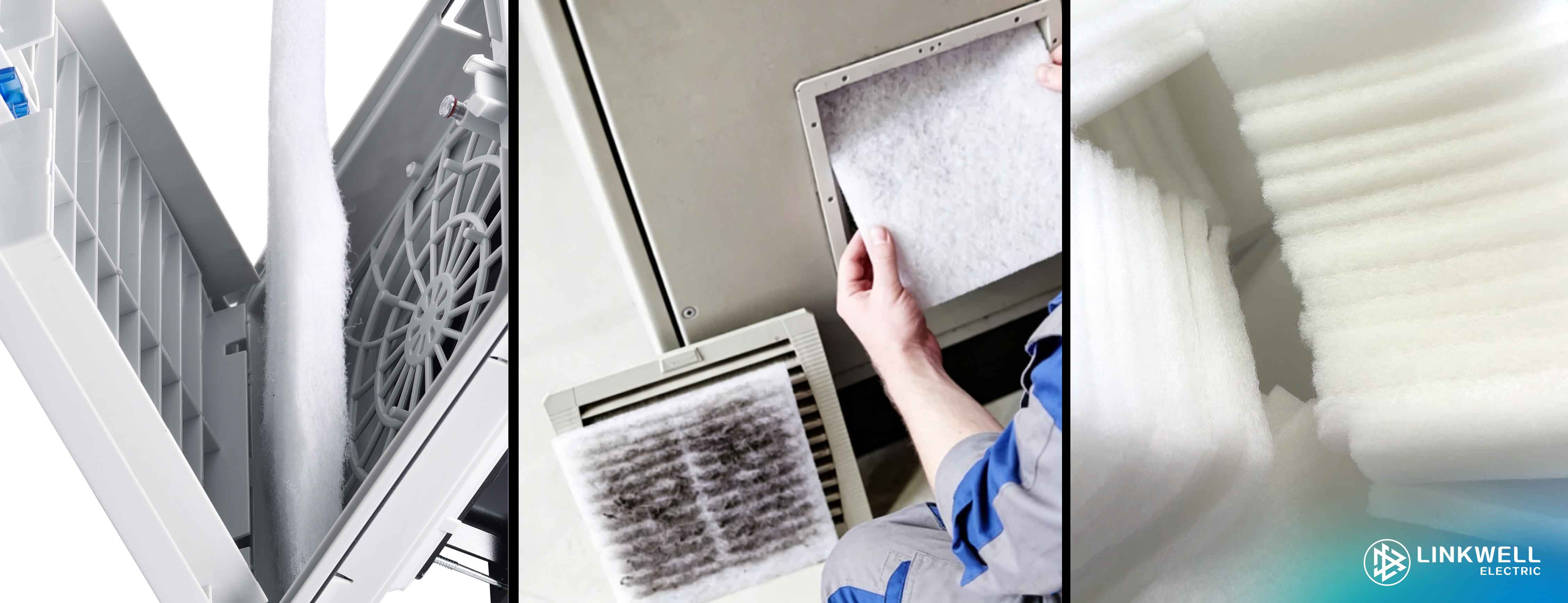
Uji Sederhana untuk Mengetahui Saat Filter Anda Mulai Rusak
Anda tidak memerlukan alat khusus untuk mendeteksi masalah. Gunakan pemeriksaan cepat berikut:
Uji cahaya – Pegang filter Anda di depan sumber cahaya yang terang. Jika Anda tidak dapat melihat cahaya menembus dengan jelas, aliran udara sudah terhambat.
Uji bau – Nyalakan sistem Anda dan berjalanlah mendekati ventilasi. Bau apek atau berdebu menandakan bahwa filter Anda tidak lagi menangkap partikel.
Pemeriksaan suhu – Letakkan tangan Anda di dekat saluran pembuangan peralatan. Jika terasa lebih panas dari biasanya, filter Anda memaksa kipas bekerja ekstra keras.
Metode kalender – Tulis tanggal pemasangan langsung pada filter Anda menggunakan spidol. Setelah tiga bulan berlalu, gantilah filter tersebut meskipun tampak bersih. Beberapa partikel terlalu kecil untuk dilihat, namun tetap menghambat aliran udara.
Filter yang Dapat Dicuci vs. Sekali Pakai: Mana yang Lebih Menghemat Biaya?
Kedua jenis ini memiliki peran masing-masing. Mari kita bandingkan:
Filter yang dapat dicuci – Biaya awal lebih tinggi, tetapi dapat digunakan kembali. Bersihkan dengan aliran air lembut—jangan pernah menggunakan tekanan tinggi. Pastikan filter benar-benar kering sebelum dipasang kembali. Filter yang basah akan berjamur dalam beberapa hari. Dengan perawatan yang tepat, masa pakai filter ini mencapai dua hingga tiga tahun.
Filter sekali pakai – Investasi awal lebih rendah. Tidak memerlukan waktu pembersihan. Cukup lepaskan dan ganti dengan yang baru. Namun, dalam jangka waktu dua belas bulan, penggunaan beberapa filter sekali pakai sering kali lebih mahal dibandingkan satu filter yang dapat dicuci.
Pendekatan Terbaik – Gunakan filter prakotor yang dapat dicuci untuk menangkap partikel besar. Lanjutkan dengan filter akhir sekali pakai untuk debu halus. Kombinasi ini memperpanjang masa pakai kedua jenis filter sekaligus memberikan biaya jangka panjang terendah.
Biaya Tersembunyi Akibat Penundaan Penggantian Filter
Mengabaikan perawatan filter tidak menghemat uang. Justru, biaya tersebut dialihkan ke komponen lain. Berikut dampak nyata yang terjadi:
Motor kipas Anda menarik arus listrik lebih besar untuk mendorong udara melalui filter yang tersumbat. Konsumsi listrik tambahan ini terakumulasi. Sistem yang beroperasi dengan filter kotor mengonsumsi energi 15 persen lebih banyak dibandingkan sistem dengan filter bersih.
Panas menumpuk di dalam panel Anda. Setiap komponen elektronik memiliki kisaran suhu operasional yang ditentukan. Melebihi batas tersebut hanya sebesar 10 derajat Celsius akan memangkas umur komponen menjadi separuhnya.
Tim perbaikan menimbulkan biaya. Panggilan layanan darurat berharga dua hingga tiga kali lebih mahal dibandingkan pemeliharaan terjadwal. Selain itu, Anda harus menunggu lebih lama untuk mendapatkan bantuan—padahal setiap jam waktu henti mengurangi pendapatan produksi.
Menyusun Kalender Pemeliharaan Filter Anda
Buat sistem yang sesuai dengan jadwal Anda. Berikut kerangka kerja praktisnya:
Mingguan (5 menit) – Lewati peralatan Anda. Perhatikan cincin debu yang terlihat di sekitar bingkai filter. Dengarkan perubahan suara kipas. Sebagian besar masalah akan terdeteksi jika Anda memperhatikan dengan saksama.
Bulanan (15 menit) – Lepaskan dan periksa tiap filter. Ketuk filter untuk menghilangkan debu longgar ke dalam tempat sampah. Catat temuan Anda di buku catatan sederhana atau catatan ponsel. Lacak filter mana yang paling cepat kotor—filter tersebut mungkin memerlukan frekuensi pemeliharaan yang lebih tinggi.
Triwulanan (30 menit) – Ganti semua filter sekali pakai. Bersihkan secara mendalam filter yang dapat dicuci. Periksa bilah kipas untuk akumulasi kotoran. Lap permukaan bagian dalam di sekitar rumah filter.
Setahun sekali (1 jam) – Periksa bantalan motor kipas. Uji aliran udara dengan anemometer jika tersedia. Bandingkan hasil pengukuran dengan nilai dasar (baseline) saat sistem pertama kali dipasang. Penurunan lebih dari 20 persen menunjukkan adanya masalah berkelanjutan.
Solusi Filter Kipas LINKWELL: Dibuat untuk Penggunaan Nyata
Ketika Anda membutuhkan filtrasi andal tanpa perawatan rumit, Linkwell menyediakan solusi praktis. Unit filter kipas mereka berfokus pada hal yang paling penting: menjaga peralatan Anda tetap dingin dan bersih dengan usaha minimal.
Akses tanpa alat – Penggantian filter konvensional memerlukan obeng dan komponen pengencang lepas. Linkwell menggunakan sistem gesper sederhana. Tekan, lepaskan, ganti, kaitkan. Seluruh proses hanya memakan waktu beberapa detik, bukan menit.
Cocok untuk semua – Ketebalan kabinet berbeda-beda. Linkwell desain yang dapat disesuaikan mampu menangani sebagian besar kabinet standar. Anda tidak memerlukan adaptor atau modifikasi tambahan.
Perlindungan Ganda – Sistem mereka menerima baik pre-filter maupun filter halus dalam bingkai yang sama. Tingkatkan perlindungan Anda tanpa memakan ruang tambahan.
Indikator status yang jelas – Banyak Linkwell model dilengkapi indikator tekanan visual. Ketika filter mulai tersumbat, Anda dapat melihat perubahan warna dari seberang ruangan. Tidak perlu menebak lagi.
Kesalahan yang Memperpendek Masa Pakai Filter
Hindari kesalahan umum berikut:
Pembersihan dengan udara bertekanan – Tekanan tinggi dapat membuat lubang pada media filter. Robekan kecil tersebut memungkinkan udara tak tersaring melewati filter sepenuhnya. Gunakan penyedot debu alih-alih udara bertekanan.
Pemasangan dalam arah yang salah – Filter memiliki tanda panah aliran udara. Pemasangan terbalik memberi tekanan berlebih pada media filter dan mengurangi kapasitas penahanan debu. Selalu periksa arah pemasangan sebelum menutup bingkai.
Mencampur jenis filter secara tidak tepat – Memasang filter halus di depan filter kasar menyebabkan penyumbatan cepat. Selalu pasang filter kasar di hulu dan filter halus di hilir.
Mengabaikan gasket dan segel – Filter yang sempurna tidak berfungsi jika udara bocor di sekitar tepinya. Periksa gasket karet setiap kali Anda melakukan perawatan unit. Ganti segera segel yang mengering atau retak.
Menghitung Pengembalian atas Waktu Perawatan
Mari kita gunakan angka nyata. Biaya filter kipas industri tipikal berkisar antara lima belas hingga empat puluh dolar AS. Menggantinya empat kali setahun menelan biaya enam puluh hingga seratus enam puluh dolar AS per tahun.
Bandingkan dengan penggantian motor kipas. Motor yang gagal memerlukan biaya dua ratus hingga lima ratus dolar AS hanya untuk suku cadangnya. Tambahkan biaya tenaga kerja sebesar seratus hingga dua ratus dolar AS per jam. Kerugian akibat waktu henti bisa mencapai ribuan dolar, tergantung pada operasi Anda.
Perhitungan matematika sederhana menunjukkan bahwa mengganti filter sesuai jadwal jauh lebih murah daripada memperbaiki kegagalan yang sebenarnya dapat dicegah. Bahkan menghabiskan waktu tiga puluh menit setiap bulan untuk perawatan filter akan menghemat uang, asalkan Anda menghargai waktu Anda secara wajar.
Membangun Kebiasaan Perawatan Berkala
Jadwal perawatan terbaik adalah jadwal yang benar-benar Anda jalankan. Kaitkan pemeriksaan filter dengan rutinitas yang sudah ada:
-
Mengganti filter tungku di rumah? Periksa juga filter kipas peralatan Anda pada hari yang sama.
-
Membayar tagihan bulanan? Lakukan pemeriksaan filter tepat setelahnya.
-
Mengadakan rapat tim? Jadikan status filter sebagai salah satu poin agenda selama dua menit.
Untuk fasilitas berukuran besar, tunjuk orang tertentu yang bertanggung jawab atas masing-masing peralatan. Ketika semua orang mengetahui tanggung jawabnya, tidak ada satu pun hal yang terlewat.
Kapan Harus Meminta Bantuan
Sebagian besar perawatan filter tetap ramah bagi pelaku swakelola (DIY). Namun, beberapa tanda tertentu memerlukan perhatian profesional:
-
Motor kipas yang beroperasi terus-menerus atau berputar sangat cepat
-
Bau terbakar di dekat panel listrik
-
Filter yang tersumbat sepenuhnya dalam beberapa hari setelah penggantian
-
Korosi yang terlihat di dalam rumah filter
-
Getaran tidak biasa yang dapat Anda rasakan dengan menyentuh panel penutup
Gejala-gejala ini menunjukkan adanya masalah di luar sekadar filter yang kotor. Segera dapatkan bantuan ahli sebelum masalah kecil berkembang menjadi perbaikan besar.
Langkah Selanjutnya Anda
Mulailah hari ini. Berjalanlah ke unit filter kipas terdekat dan tarik keluar filternya untuk pemeriksaan. Anda mungkin akan terkejut dengan temuan Anda. Jika tampak bersih, tandai kalender Anda untuk pemeriksaan bulan depan. Jika tampak kotor, Anda baru saja mencegah kegagalan di masa depan.
Untuk instalasi baru atau peningkatan sistem, pilih peralatan yang dirancang guna memudahkan pemeliharaan. Linkwell unit filter kipas menggabungkan filtrasi andal dengan layanan cepat tanpa memerlukan alat. Sistem mereka membantu Anda menghabiskan lebih sedikit waktu untuk pemeliharaan dan lebih banyak waktu menjalankan operasi Anda.
Siap mengoptimalkan perlindungan peralatan Anda? Kunjungi LINKWELL Electrics untuk menjelajahi solusi filter kipas yang disesuaikan dengan lingkungan Anda. Tim mereka dapat membantu Anda memilih produk yang tepat serta menyusun rencana pemeliharaan yang sesuai dengan kebutuhan spesifik Anda.