

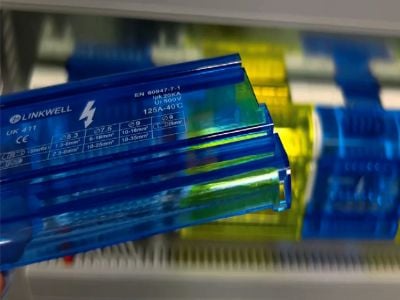
In the world of low voltage electrical products, distribution terminal blocks play a crucial role in ensuring reliable power and signal transmission within various applications. LINKWELL ELECTRIC specializes in producing a complete range of distribution electrical wire terminal block designed to meet the needs of switchgear and automation industries. This article will address key considerations for B2B buyers, including specifications, quality evaluation, cost factors, and installation guidance, helping you make informed purchasing decisions.
Complete Range of Distribution Terminal Block Specifications for Buyers
When selecting a distribution terminal block, understanding the specifications is essential. Key specifications to consider include:
Current Rating: This indicates the maximum current the terminal block can handle without overheating. Buyers should confirm that the rated current meets or exceeds the application's requirements to prevent failures.
Voltage Rating: The voltage rating denotes the maximum voltage that can be applied to the terminal block. Ensure this is compatible with your system's voltage to avoid electrical breakdown.
Material Composition: Terminal blocks are generally made from materials such as polyamide, which offers excellent insulation properties. The choice of material impacts durability and performance, especially in environments exposed to humidity or chemicals.
Size and Configuration: earth terminal block come in various sizes and configurations (e.g., single-level, multi-level). Buyers must ensure that the selected size fits the intended installation space within the electrical cabinet.
Connection Type: Options include screw terminals, spring clamps, or plug-in connections. The choice here affects ease of installation and potential for future maintenance.
Understanding these specifications will help you match the right terminal block to your specific application and operational needs.
Reliable Suppliers for High-Quality Distribution Terminal Blocks
When sourcing distribution terminal blocks, choosing a reliable supplier is paramount. Look for manufacturers with a proven track record in the industry, such as LINKWELL ELECTRIC, which specializes in low voltage electrical products. Key factors to evaluate include:
Certifications: Verify if the supplier holds relevant certifications (e.g., ISO 9001) to ensure they adhere to quality management standards.
Manufacturing Capabilities: Assess the supplier’s production capabilities, including the types of machinery used and their ability to handle large orders or custom designs. This affects lead times and reliability.
Quality Control Processes: Inquire about their quality control measures, including testing procedures for durability and performance. A supplier with rigorous testing will provide more confidence in the reliability of their products.
Customer Support: Strong customer service is essential for resolving issues quickly and effectively. Ensure the supplier offers adequate support for technical inquiries and post-purchase assistance.
Selecting a reputable supplier can significantly impact the overall success of your project, ensuring access to high-quality products and support.
Evaluating the Quality of Distribution Terminal Blocks for Projects
Quality evaluation of distribution terminal blocks involves several steps to ensure they meet project requirements:
Sample Testing: Before mass production, request samples to evaluate the physical and functional characteristics. Look for dimensional accuracy and material integrity, ensuring they align with your specifications.
Performance Under Stress: Test samples under actual operating conditions to assess their performance. Pay attention to how they handle heat, vibration, and electrical loads.
Visual Inspection: Conduct a thorough visual inspection for defects such as cracks, discoloration, or uneven surfaces that may indicate manufacturing issues.
Documentation: Ensure that the supplier provides documentation, including test reports and product data sheets. These documents should detail the product specifications and performance metrics.
By following these evaluation steps, you can minimize the risk of issues arising during installation and operation, ensuring long-term reliability.
Cost Factors to Consider When Sourcing Distribution Terminal Blocks
The cost of distribution terminal blocks can vary significantly based on several factors:
Material Costs: Different materials have varying costs, which can impact the overall price. For instance, terminal blocks made from higher-grade materials may be more expensive but offer better performance and durability.
Customization: If custom features are required, such as specific colors, sizes, or configurations, this will influence pricing. Customization often leads to higher costs due to additional production processes.
Order Quantity: Larger orders may qualify for bulk pricing discounts. Establishing a minimum order quantity (MOQ) with your supplier can help in negotiating better rates.
Logistics and Shipping: Consider shipping costs and lead times, especially if sourcing from overseas. Delays can impact project timelines, making it vital to weigh total costs against delivery schedules.
Understanding these cost factors will help you budget effectively and make informed purchasing decisions.
Installation Guidance for Efficient Use of Distribution Terminal Blocks
Installation of distribution terminal blocks can significantly affect their performance. Here are some best practices:
Preparation: Ensure that the installation area is clean and free from contaminants. This minimizes the risk of connection issues later.
Wiring: Follow the manufacturer’s guidelines for wiring connections. Properly stripping wire insulation and securely fastening connections prevents electrical failures.
Torque Specifications: Use a torque wrench to apply the correct torque to connections as specified by the manufacturer. This ensures optimal contact and prevents loosening due to vibrations.
Temperature Considerations: Install terminal blocks in environments where temperature fluctuations are minimal. Excessive heat can degrade materials over time, impacting performance.
Regular Maintenance: Schedule regular inspections and maintenance of installed terminal blocks to check for signs of wear, corrosion, or loose connections. This proactive approach helps prevent unexpected failures.
By adhering to these installation guidelines, you can enhance the reliability and longevity of your distribution ground terminal block, ensuring they operate effectively within your electrical systems.
Table of Contents
- Complete Range of Distribution Terminal Block Specifications for Buyers
- Reliable Suppliers for High-Quality Distribution Terminal Blocks
- Evaluating the Quality of Distribution Terminal Blocks for Projects
- Cost Factors to Consider When Sourcing Distribution Terminal Blocks
- Installation Guidance for Efficient Use of Distribution Terminal Blocks