

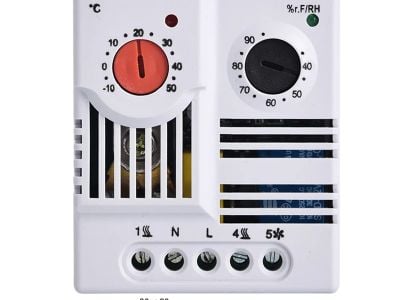
Thermal management solutions for high-power charging pile enclosures are essential for ensuring the efficiency and longevity of charging infrastructure. As electric vehicle (EV) adoption increases, the demand for reliable thermal management systems becomes critical to maintain optimal operating conditions for charging equipment. This article will address the main concerns of B2B buyers, including product specifications, quality evaluation, and purchasing considerations, helping professionals make informed decisions for their thermal management needs.
What to Consider When Choosing Thermal Management Solutions for Enclosures?
When selecting thermal management solutions for high-power charging pile enclosures, several factors must be considered. First, the operating environment is crucial. Enclosures must withstand varying temperature extremes, humidity, and exposure to contaminants. The chosen thermal management system should effectively dissipate heat generated during charging, preventing overheating and ensuring equipment reliability.
Second, compatibility with existing systems is essential. Buyers should ensure that the thermal management solution integrates seamlessly with their current charging infrastructure. This may involve evaluating the under cabinet led lighting dimensions, power requirements, and installation requirements of the chosen products.
Lastly, a thorough understanding of the materials used in thermal management solutions is vital. Different materials have varying thermal conductivity, durability, and resistance to environmental factors. Opting for high-quality materials can lead to improved performance and longer lifespans for the thermal management systems.
Key Specifications for High-Power Charging Pile Enclosure Solutions
Several key specifications should be prioritized when evaluating thermal management solutions for high-power charging pile enclosures:
Thermal Conductivity: This measures how efficiently heat is transferred through materials. High thermal conductivity materials can quickly dissipate heat, reducing the risk of overheating.
Temperature Range: The specified operational temperature range is critical. Solutions should be capable of functioning within the temperature extremes expected in the installation environment.
Ingress Protection (IP) Rating: This rating indicates the cabinet lighting level of protection against dust and water ingress. A higher IP rating may be necessary for outdoor installations or locations with high humidity.
Power Rating: Ensure that the thermal management solution can handle the maximum heat output from the charging equipment. This is particularly important for high-power charging applications.
Energy Efficiency: Efficient systems can reduce energy costs and operational expenses. Look for solutions that have been designed with energy efficiency in mind.
By focusing on these specifications, buyers can better identify suitable thermal management solutions that align with their operational requirements.
How to Evaluate Quality in Thermal Management Systems for Enclosures?
Quality evaluation of thermal management systems for enclosures involves several steps. First, it is essential to review the manufacturer's reputation and reliability. Companies with a strong track record in the industry are more likely to offer high-quality products.
Next, buyers should request product samples. Evaluating samples under actual operating conditions can provide insights into performance, durability, and compatibility with existing systems. During this evaluation, pay attention to factors like noise levels, airflow, and thermal efficiency.
Another aspect of quality evaluation is examining the manufacturing processes and quality control measures in place. Manufacturers with rigorous quality assurance practices are more likely to produce reliable thermal management solutions. Buyers should inquire about certifications, testing methods, and inspection protocols that ensure product performance and longevity.
Lastly, consider customer feedback and case studies. Reviews from other companies that have used the thermal management solutions can offer valuable insights into real-world performance, potential issues, and overall satisfaction.
How to Compare Thermal Management Solutions for Wholesale Purchasing?
When comparing thermal management solutions for wholesale purchasing, several factors should guide the decision-making process:
Specifications: Ensure that the specifications of each option align with your operational needs. Compare thermal conductivity, temperature range, and IP ratings, as these will directly affect performance.
Pricing: Analyze the cost of each solution, but also consider the total cost of ownership. A lower upfront cost may lead to higher operational costs, while a slightly more expensive solution may offer better energy efficiency and durability.
Customization Options: Some manufacturers may offer customization for specific applications. This can include tailored dimensions, materials, or features that ensure optimal performance for unique environments.
Lead Times: Understanding the lead times for each supplier is critical for project planning. Ensure that the chosen supplier can meet your deadlines, especially for large-scale deployments.
Warranty and Support: Evaluate the warranty terms and the level of technical support provided by the manufacturer. A solid warranty indicates confidence in the product, while responsive customer support can be invaluable during installation and operation.
By systematically comparing these factors, buyers can make informed decisions that best meet their project needs.
Key Considerations for Thermal Management Solutions
When selecting thermal management solutions for high-power charging pile enclosures, consider the following key points:
Application Suitability: Ensure that the thermal management system can handle the specific demands of high-power charging applications. This includes evaluating how the system will perform under peak loads and varying environmental conditions.
Installation Requirements: Assess the installation process for the thermal management solution. Compatibility with existing infrastructure and ease of installation can impact overall project timelines and costs.
Maintenance Needs: Consider the maintenance requirements of the water cooler fan. Regular inspections, cleaning, and any potential repairs should be feasible without extensive downtime.
Sustainability: Evaluate the environmental impact of the thermal management solutions. Eco-friendly materials and energy-efficient designs can contribute to sustainability goals and enhance corporate responsibility.
Future Scalability: As demand for EV charging continues to grow, consider whether the chosen thermal management solution can scale with future needs. Solutions that are adaptable to increased power requirements or additional charging stations can provide long-term value.
By reflecting on these considerations, buyers can ensure that they select thermal management solutions that not only meet their immediate needs but also support their long-term operational goals.
Table of Contents
- What to Consider When Choosing Thermal Management Solutions for Enclosures?
- Key Specifications for High-Power Charging Pile Enclosure Solutions
- How to Evaluate Quality in Thermal Management Systems for Enclosures?
- How to Compare Thermal Management Solutions for Wholesale Purchasing?
- Key Considerations for Thermal Management Solutions