

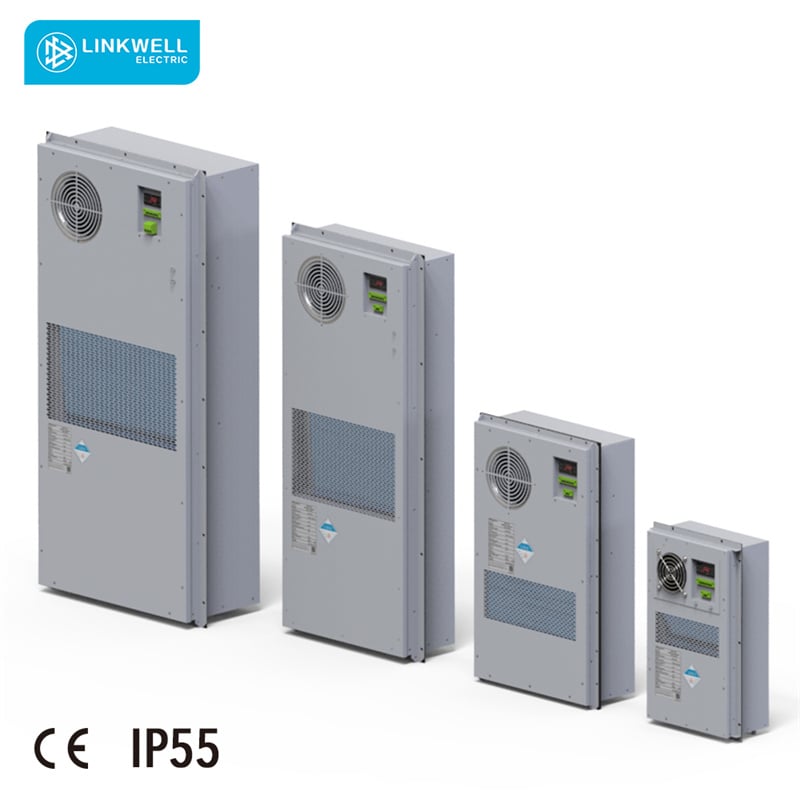
Waterproof enclosures and cabinet air conditioners are critical components for protecting sensitive electrical equipment in harsh environments. These specialized products help ensure optimal performance and longevity for devices subjected to extreme conditions, such as humidity, dust, and temperature fluctuations. As a purchasing manager or engineer, understanding how to select the right waterproof enclosures and air conditioning solutions can significantly impact operational efficiency and equipment reliability. This article will outline key considerations when choosing these products, highlight reliable suppliers, and provide insights into common challenges and budgeting strategies.
What to Consider When Choosing Waterproof Enclosures for Projects
Selecting the right waterproof enclosure begins with understanding the specific environmental conditions the equipment will face. Key factors to consider include:
Ingress Protection (IP) Rating: The IP rating indicates the enclosure's resistance to dust and water. For instance, an IP67 rating means the enclosure is dust-tight and can withstand immersion in water up to 1 meter deep for 30 minutes. Ensure the rating matches the anticipated conditions.
Material Selection: Common materials for waterproof enclosure include polycarbonate, fiberglass, and aluminum. Each material offers different levels of durability and resistance to chemicals and temperature extremes. For example, polycarbonate is lightweight and impact-resistant, making it suitable for outdoor applications, while fiberglass provides excellent chemical resistance.
Size and Configuration: The enclosure must accommodate all components, including wiring, while allowing for adequate airflow and heat dissipation. Consider future expansion needs as well.
Customization Options: Depending on the application, you may require custom features such as cutouts for cables or mounting brackets. Verify with the manufacturer about available customization capabilities.
Certification Standards: Ensure the enclosure meets relevant industry standards, such as UL or CE certifications, which can indicate compliance with safety and performance benchmarks.
By addressing these factors, you can make informed decisions that enhance the reliability of your systems in challenging environments.
Reliable Suppliers for Industrial Enclosures
When sourcing waterproof enclosures, partnering with reliable suppliers is crucial. Look for manufacturers with a strong reputation in the industry, proven experience, and robust quality assurance processes. Key evaluation criteria include:
Experience and Expertise: Choose suppliers with a proven track record in producing waterproof enclosures, particularly for your specific industry. They should understand the unique challenges of harsh environments.
Quality Control Processes: Suppliers should have stringent quality control measures, including material inspections and testing throughout the manufacturing process. This helps ensure that the enclosures meet specified performance standards.
Customer Support: A responsive customer service team is vital for addressing inquiries and providing technical support during the selection and installation phases.
Lead Times and Delivery Capabilities: Confirm the supplier’s production capacity and lead times, especially if your project timelines are tight. It's essential to ensure that they can meet your delivery requirements.
By thoroughly vetting potential suppliers, you can build a partnership that supports successful project outcomes.
Waterproof Enclosures vs. Standard Cabinets
Understanding the differences between waterproof enclosures and standard cabinets is essential for making the right choice. Here are some key distinctions:
Protection Level: Waterproof enclosures are designed specifically to prevent water and dust ingress, while standard cabinets may not offer the same level of protection. This makes waterproof enclosure air conditioner suitable for outdoor and industrial applications where exposure to the elements is a concern.
Material Composition: Waterproof enclosures often utilize materials that provide enhanced durability and resistance to environmental factors, such as UV rays and corrosive substances. Standard cabinets may use less robust materials that are not suitable for harsh conditions.
Cooling and Ventilation: Many waterproof enclosures incorporate features like ventilation systems or air conditioners to manage internal temperatures. Standard cabinets might not have these features, which can lead to overheating of sensitive equipment.
Cost Considerations: While waterproof enclosures may come with a higher initial cost, the long-term savings from reduced equipment failure and maintenance should be factored into your decision-making process.
Choosing between these options hinges on your application requirements and environmental conditions. Assessing the specific needs of your project will lead to a more effective solution.
Common Problems with Enclosures and Solutions for Harsh Conditions
Even the best waterproof enclosures can encounter issues in extreme environments. Here are common problems and potential solutions:
Condensation: High humidity levels can lead to condensation inside the enclosure, potentially damaging electrical components. Solutions include using desiccants or installing ventilation fans to regulate humidity levels.
Corrosion: Exposure to harsh chemicals or saltwater can cause corrosion over time. Selecting materials with corrosion-resistant properties, such as stainless steel or treated aluminum, can mitigate this risk.
Thermal Expansion: Temperature fluctuations can cause materials to expand and contract, potentially compromising seals. Ensure that the enclosure is designed to accommodate thermal movement and maintain its integrity.
Mechanical Damage: Enclosures in industrial settings may be subject to impacts or vibrations. Robust designs with reinforced corners and impact-resistant materials can help protect against these hazards.
By proactively addressing these challenges, you can enhance the longevity and reliability of your waterproof enclosures.
Budgeting for Waterproof Enclosures and AC Units
When budgeting for waterproof enclosures and cabinet air conditioners, several factors should be considered to ensure accurate financial planning:
Initial Costs: Analyze the pricing of different waterproof electrical enclosure options based on size, material, and features. Customization can also influence costs, so clarify any specific requirements when obtaining quotes.
Long-Term Savings: While higher-quality enclosures may have an increased upfront cost, consider the long-term savings from reduced maintenance, equipment failures, and replacements. Investing in durable solutions can lead to lower total cost of ownership.
Operational Costs: For air conditioning units, factor in the energy consumption and maintenance costs over time. Energy-efficient models may have a higher initial price but can lead to significant savings.
Contingency Budget: It's wise to allocate a contingency budget for unforeseen expenses, such as additional customization or unexpected installation challenges.
Supplier Negotiations: Don't hesitate to negotiate with suppliers on pricing, especially for bulk orders or long-term partnerships. Many suppliers are open to flexible payment terms or discounts for larger orders.
By carefully considering these budgeting aspects, you can ensure that your investment in waterproof enclosures and air conditioning systems yields the best possible return.
In summary, choosing the right waterproof enclosures and cabinet air conditioners for harsh environments involves considering multiple factors, from environmental conditions to supplier reliability and budgeting. By following the guidance , you can make informed decisions that enhance the performance and longevity of your sensitive equipment.