

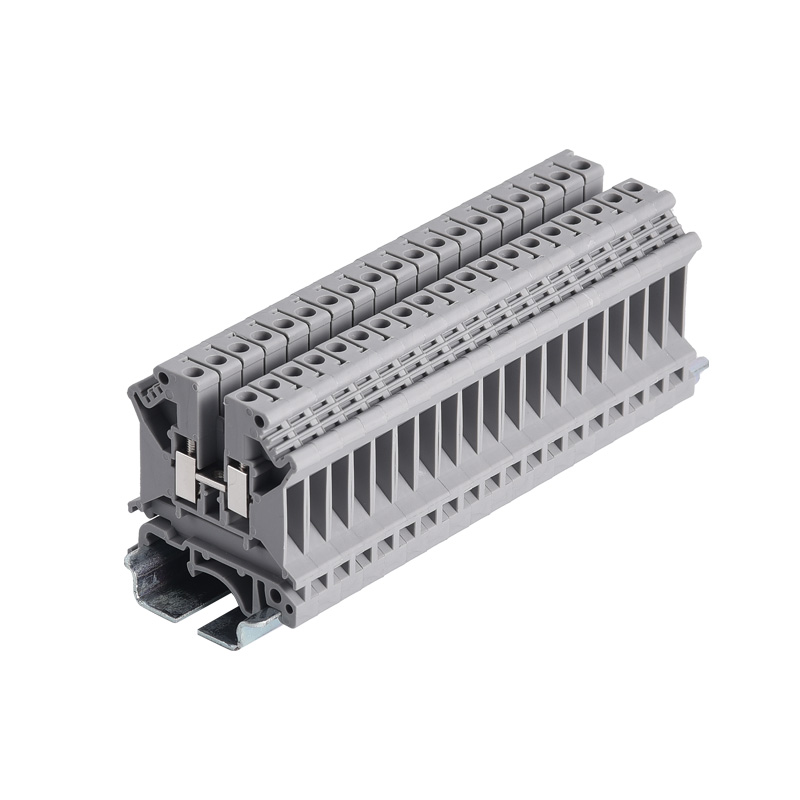
Durable DIN Rail Terminal Blocks and power distribution terminal blocks are essential components in low voltage electrical systems, particularly in switchgear and automation applications. These devices facilitate secure and reliable connections between various electrical components, ensuring efficient power distribution and control. For B2B buyers, such as purchasing managers and engineers, the selection of high-quality terminal blocks is critical, as it impacts system performance, safety, and overall project costs. This article will guide you through key considerations for choosing the right terminal blocks, evaluating their quality, and understanding their applications in automation.
Choosing the Right Durable DIN Rail Terminal Blocks for Your Projects
When selecting durable DIN rail terminal blocks, it is crucial to consider several factors that align with your project requirements. First, assess the electrical specifications, including voltage and current ratings, to ensure compatibility with your system. For instance, terminal blocks are typically rated for various voltage levels, so confirming these ratings against your application is essential.
Next, evaluate the material used in the terminal blocks. Common materials include polyamide and thermoplastic, which offer good durability and resistance to heat and chemicals. Depending on your environment, you may require terminal blocks with specific properties, such as flame resistance or UV stability.
Additionally, consider the physical dimensions and layout of the terminal blocks. They must fit within your panel design and comply with DIN standards for rail mounting. The number of poles required is also a key factor; more complex systems may need multi-pole arrangements.
Lastly, customization options can enhance the suitability of terminal blocks for specific applications. Many manufacturers, including LINKWELL ELECTRIC, offer customization in terms of color coding, labeling, and even specific terminal arrangements, which can aid in installation and maintenance.
How to Evaluate Quality in Power Distribution Terminal Blocks
Quality evaluation of power distribution terminal blocks should focus on multiple aspects, including manufacturing processes, certifications, and testing protocols. Begin by examining the manufacturing capabilities of your supplier. High-quality terminal blocks are usually produced using advanced injection molding techniques, which ensure precise dimensions and consistent performance.
Check for relevant certifications that indicate compliance with industry standards, such as UL, IEC, or RoHS. These certifications demonstrate that the terminal blocks have undergone rigorous testing for safety and electrical performance.
Quality control processes are equally vital. Inquire about the supplier's quality assurance practices, including in-process inspections and final testing procedures. A reliable manufacturer will have documented procedures to ensure that every batch meets specified quality standards.
Furthermore, consider reviewing sample products before committing to bulk orders. Testing samples under actual operating conditions can reveal potential issues that may not be apparent through specifications alone. This proactive approach can save time and resources in the long run.
Comparing Specifications of Power Distribution Terminal Blocks
When comparing specifications of power distribution terminal blocks, focus on critical attributes that influence performance and suitability for your application. Key specifications include:
Current Rating: Indicates the maximum current the terminal block can handle safely. Ensure this rating matches or exceeds your system's requirements.
Voltage Rating: Similar to current, the voltage rating should align with your application to prevent electrical failures.
Material Properties: Different materials offer varying degrees of thermal and chemical resistance. Consider your application environment when assessing material suitability.
Size and Dimensions: Verify that the DIN rail terminal block connector will fit your panel design. Standardized dimensions often simplify installation, but custom sizes may be needed for specific applications.
Mounting Style: Ensure compatibility with your DIN rail type; some blocks may require specific mounting hardware or configurations.
By comparing these specifications in detail, purchasing managers can make informed decisions that enhance system reliability and performance.
Bulk Order Considerations for Terminal Blocks and Accessories
When planning bulk orders for terminal blocks and accessories, several considerations can affect pricing and lead time. First, establish your minimum order quantity (MOQ) based on supplier requirements. Many manufacturers offer better pricing for larger quantities, so understanding these thresholds can help you budget effectively.
Shipping logistics are another key aspect to consider. Determine the delivery timeline and transportation methods that fit your project schedule. If your project has tight deadlines, confirm lead times with suppliers to avoid delays.
Packaging methods can also impact costs. Bulk packaging may offer savings, but ensure that the packaging protects the components during transit. Discuss with your supplier the best practices for packaging to minimize damage.
Lastly, consider whether you require any additional accessories, such as labeling materials or tools for installation. Ordering these items alongside your terminal blocks can streamline the procurement process and ensure compatibility.
Applications of Durable DIN Rail Terminal Blocks in Automation
Durable DIN rail terminal blocks play a crucial role in automation systems across various industries. They provide reliable connections for sensors, actuators, and control devices, facilitating seamless communication and power distribution.
In industrial automation, for example, terminal blocks are used in control panels to organize connections from various machinery components. Their robustness ensures that they can withstand the electrical demands of production environments, reducing the risk of failures.
Additionally, in building automation systems, these terminal blocks are essential for connecting lighting controls, HVAC systems, and safety equipment. Their versatility in handling different voltages and current ratings makes them suitable for a wide range of applications.
Moreover, as the trend towards smart automation continues to grow, electrical terminal block with advanced features such as integrated diagnostics and connectivity options are becoming increasingly relevant. These innovations can enhance system monitoring and improve overall efficiency.
By understanding the applications and capabilities of durable DIN rail terminal blocks, purchasing managers can select the right products that support their automation goals effectively.
This comprehensive overview should equip you with the knowledge needed to make informed decisions regarding durable DIN rail terminal blocks and power distribution terminal blocks, ensuring optimal performance and reliability in your electrical systems.
Table of Contents
- Choosing the Right Durable DIN Rail Terminal Blocks for Your Projects
- How to Evaluate Quality in Power Distribution Terminal Blocks
- Comparing Specifications of Power Distribution Terminal Blocks
- Bulk Order Considerations for Terminal Blocks and Accessories
- Applications of Durable DIN Rail Terminal Blocks in Automation