

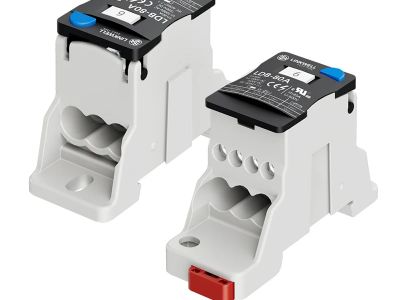
Secure connection terminals are essential components in electrical systems, providing reliable connections for low voltage applications. This article will delve into the different types of secure connection terminals screw type, spring type, and universal joints highlighting their specifications, advantages, and common issues. For purchasing managers and engineers, understanding these aspects is crucial for ensuring quality, performance, and compatibility in their projects.
Reliable Suppliers of Screw and Spring Type Terminals
When sourcing secure connection terminals, it's imperative to partner with reliable suppliers who understand the intricacies of low voltage electrical products. Look for suppliers like LINKWELL ELECTRIC that specialize in manufacturing terminals designed for switchgear and automation applications. These suppliers should offer a range of products, including screw type terminal blocks and spring type terminals, ensuring versatility for various electrical configurations.
A reliable supplier must provide detailed technical specifications and be transparent about their manufacturing processes. Key considerations include material quality, production capabilities, and certifications that guarantee compliance with industry standards. Moreover, they should have a robust quality control system in place to ensure that every batch of terminals meets the required safety and performance standards.
Key Specifications to Consider for Secure Connection Terminals
When evaluating secure connection terminals, several specifications should be prioritized:
Current Rating: This specification indicates the maximum current the terminal can handle. It's crucial to select terminals that can accommodate the specific current requirements of your application to prevent overheating and potential circuit failure.
Voltage Rating: Ensure the voltage rating matches or exceeds the operational voltage of your system. A mismatch could lead to arcing or insulation failure.
Material: Common materials include copper and aluminum, often plated with tin or nickel for corrosion resistance. The choice of material affects conductivity, durability, and the terminal's performance in various environmental conditions.
Connection Type: Determine whether screw-type, spring-type, or universal joints are most suitable for your application. Each connection type has its advantages in terms of ease of installation, maintenance, and reliability.
Dimensions: The physical size and shape of terminals must fit the screw block terminal designated panel or enclosure. This includes paying attention to height, width, and mounting hole dimensions.
Understanding these specifications will help ensure that the selected terminals are compatible and capable of performing reliably within their intended applications.
Common Problems with Terminal Blocks and Effective Solutions
One of the most common issues with terminal blocks is poor connectivity due to improper installation or wear over time. This can lead to intermittent connections, which may cause system malfunctions. To avoid this, ensure that the terminals are correctly tightened and regularly inspected for signs of wear or corrosion.
Another issue is inadequate current capacity, which can lead to overheating. To mitigate this risk, always opt for terminals with a current rating that exceeds the expected load. Additionally, ensure that the terminal's material is suitable for the environmental conditions it will encounter, such as moisture or extreme temperatures.
Finally, mismatched terminal types can lead to compatibility issues. Always confirm that the terminal type matches the connectors in your application, and consider using universal joints in situations where flexibility is needed.
Evaluating Material Advantages of Spring Type vs. Screw Type Terminals
When comparing spring type terminals to screw type terminals, consider the following advantages of each:
Screw Type Terminals: These terminals provide a secure, reliable connection that can handle higher torque levels. They are often preferred in applications where the connection may need to be adjusted or tightened over time. However, they may require more maintenance, as screws can loosen due to vibrations or thermal cycling.
Spring Type Terminals: These terminals offer a quick and efficient connection method, as they do not require tools for installation. They are ideal for applications requiring frequent disconnection and reconnection. The spring mechanism provides consistent pressure, reducing the risk of connection failure over time. However, they may have limitations in terms of the amount of current they can handle compared to terminal screw block terminals.
Ultimately, the choice between spring type and screw type terminals should be based on application requirements, installation convenience, and maintenance preferences.
How to Ensure Quality Control When Purchasing Connection Terminals?
Quality control is paramount when purchasing secure connection terminals. To ensure you receive high-quality products, consider the following steps:
Request Documentation: Before placing an order, ask your supplier for test reports and certificates that confirm compliance with industry standards. This includes certifications for electrical safety and material specifications.
Conduct Factory Visits: If possible, visit the manufacturing facility to assess their quality control processes. This can provide insight into their production capabilities and commitment to maintaining high standards.
Sample Testing: Before committing to a large order, request samples to test in your specific application. This allows you to evaluate performance under actual operating conditions and ensures compatibility.
Monitor Performance: After installation, continue to monitor the performance of the terminals. Regular inspections can help identify any potential issues early, allowing for timely maintenance or replacements.
By following these recommendations, buyers can minimize risks associated with poor quality and ensure reliable operation within their electrical systems.
Table of Contents
- Reliable Suppliers of Screw and Spring Type Terminals
- Key Specifications to Consider for Secure Connection Terminals
- Common Problems with Terminal Blocks and Effective Solutions
- Evaluating Material Advantages of Spring Type vs. Screw Type Terminals
- How to Ensure Quality Control When Purchasing Connection Terminals?