

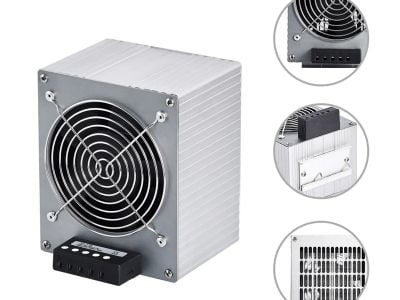
Electric cabinets are crucial for housing sensitive electrical components, but without proper temperature control, they can suffer from condensation issues that lead to failures and downtime. The PTC fan heater and thermostat are essential solutions designed to prevent condensation in these cabinets. This article will explore the specifications and functionality of PTC fan heaters and thermostats, common issues associated with electric cabinets, and essential factors for sourcing these products. By understanding these elements, buyers can make informed decisions to maintain optimal conditions in their electrical installations.
Understanding PTC Fan Heater and Thermostat Specifications for Buyers
When evaluating PTC fan heaters and thermostats, several key specifications come into play. The PTC (Positive Temperature Coefficient) technology is critical because it provides self-regulating heating; as the temperature rises, the resistance increases, limiting the power output. This feature not only enhances safety but also ensures energy efficiency, making it a preferred choice for electric cabinet applications. Buyers should pay attention to the heater's wattage, which typically ranges from 100W to 1000W, depending on the size of the cabinet and the required temperature maintenance. The operating temperature range is also essential; it usually falls between -20°C and +70°C, which accommodates various environments. For thermostats, key specifications include the temperature sensing range, accuracy, and response time. A typical thermostat for electric cabinets should have a sensing range of -20°C to +80°C with an accuracy of ±1°C. Understanding these specifications helps buyers ensure compatibility with their specific applications and installation environments.
PTC Fan Heaters and Thermostats
PTC fan heaters work by utilizing ceramic heating elements that generate warmth without becoming excessively hot to the touch. This feature is particularly advantageous in preventing burns and ensuring safety in environments where maintenance personnel might be present. The integrated fan facilitates the distribution of heated air throughout the cabinet, effectively maintaining a consistent temperature. Thermostats, when paired with PTC fan heaters, automate the heating process by activating the heater when the temperature drops below a predetermined threshold. This integration is vital in creating a controlled environment that mitigates condensation, which can lead to corrosion or damage to sensitive electronic components. Moreover ptc fan heater and thermostats are designed for easy installation, often featuring compact dimensions that allow for seamless integration into existing cabinet setups. Buyers should assess the physical size and mounting options to ensure they meet their installation requirements.
Common Problems with Electric Cabinets and PTC Solutions
Electric cabinets are susceptible to several common problems, primarily due to temperature fluctuations and humidity. One of the primary issues is condensation, which occurs when warm, moist air comes into contact with cooler surfaces inside the cabinet. This can lead to corrosion of electrical connectors, short circuits, and ultimately equipment failure. Another concern is overheating, which can damage sensitive components and reduce the lifespan of electrical equipment. Both issues can be mitigated through the effective use of PTC fan heater and thermostats. By maintaining a stable temperature and preventing humidity buildup, these devices create a more reliable environment for electrical components. Additionally, improper sizing of heating equipment can lead to inefficiencies. For example, if the heater is too small, it may not adequately warm the cabinet, leading to condensation. Conversely, an oversized heater can create excessive heat, potentially damaging components. Buyers should ensure that they select PTC fan heaters with the right wattage and features based on cabinet size and operational conditions.
Where to Source Reliable PTC Fan Heaters and Thermostats Wholesale?
When sourcing PTC fan heaters and thermostats, reliability is paramount. Buyers should look for manufacturers with a proven track record in the electrical components industry. LINKWELL ELECTRIC, for example, specializes in low voltage electrical products and offers a range of PTC fan heaters and thermostats designed for the automation and switchgear industries. Buyers should consider key factors when selecting a supplier, such as product certifications, quality control processes, and the availability of customization options. Suppliers with ISO certifications and a robust quality assurance system can often provide more reliable products. Additionally, understanding the minimum order quantity (MOQ) and lead times for delivery is essential for planning inventory effectively. Engaging suppliers that provide detailed product specifications, installation guidance, and application support can also enhance the purchasing a electric fan heater experience. This ensures that buyers not only receive high-quality products but also valuable assistance throughout the selection and installation process.
Features and Cost Considerations
Cost is always a critical factor for B2B buyers, and understanding the features that influence pricing is essential. PTC fan heaters and thermostats vary in cost based on their specifications, materials, and additional features. For instance, models with advanced temperature control capabilities or enhanced safety features may carry a higher price tag. Material selection also plays a role; heaters made from durable, corrosion-resistant materials might cost more upfront but offer longer lifespans and reduced maintenance costs. For example, stainless steel components can withstand harsher environments compared to standard plastics. Buyers should also consider the total cost of ownership, which includes not only the initial purchase price but also energy consumption and maintenance needs. Efficient PTC heaters can lead to lower operating costs over time, making them a worthwhile investment despite potentially higher upfront costs. In summary, buyers need to evaluate the specifications, features, and costs of PTC fan heaters and thermostats carefully. This approach will help them make informed purchasing decisions that align with their operational needs and budget constraints.