

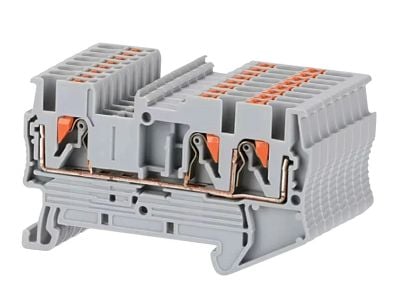
High-density power distribution in compact spaces is a critical aspect of modern electrical systems, especially within switchgear and automation applications. Power distribution blocks play an essential role in achieving efficient and reliable power management, allowing for a greater concentration of electrical components in limited areas. For purchasing managers and engineers, understanding the nuances of these components is vital to ensure optimal performance and compatibility with existing systems. This article will explore key considerations when selecting power distribution blocks, cost factors, common challenges, and the applications of these blocks in various industries.
What to Consider When Choosing Power Distribution Blocks for Compact Spaces?
When selecting power distribution blocks for compact installations, several factors must be considered to ensure reliable performance and compliance with system requirements. Firstly, the electrical specifications, including voltage ratings and current-carrying capacity, are paramount. A power distribution block must match the electrical load demands of the application to prevent overheating or failure. Size and footprint are also critical; blocks designed for compact spaces should be optimized for minimal dimensions without compromising performance. Material selection is another vital consideration. High-quality insulating materials improve durability and thermal resistance, which is essential in high-density layouts where heat dissipation can be a challenge. Moreover, compatibility with existing systems and ease of installation are crucial. Buyers should verify that the power distribution terminal block connector integrates seamlessly with other components, such as terminal blocks and wiring ducts. For instance, LINKWELL ELECTRIC’s offerings include various terminal blocks that can be paired effectively with power distribution blocks, ensuring a cohesive system design.
Understanding Cost Factors in High-Density Power Distribution Systems
Cost is a significant factor when evaluating high-density power distribution systems. Primary cost drivers include the complexity of the design, materials used, and the required certifications. For instance, blocks that require specific insulating materials or advanced manufacturing processes may incur higher production costs, which can be passed on to the buyer. Another aspect to consider is the total cost of ownership. While a lower upfront price may seem appealing, factors such as energy efficiency, maintenance needs, and lifespan can significantly affect long-term expenses. For example, investing in a high-quality power distribution block with superior thermal management capabilities may reduce the likelihood of failures, leading to lower maintenance costs and downtime. Additionally, customization options can influence pricing. Buyers looking for specific configurations or features must be prepared for potential increases in cost due to the need for tailored solutions. Discussing these requirements with suppliers early in the purchasing process can provide clearer insights into pricing structures.
Common Problems with Power Distribution in Compact Spaces and Solutions
Power distribution in compact environments can present several challenges, including overheating, limited accessibility, and electromagnetic interference (EMI). Overheating is particularly common in high-density setups, where insufficient airflow can lead to elevated temperatures. To mitigate this, selecting power distribution blocks with enhanced thermal management features, such as integrated cooling fins or forced ventilation options, is advisable. Accessibility for maintenance and inspections can also be an issue in tight spaces. Solutions include modular designs that allow for easy removal and replacement of components without requiring complete system disassembly. EMI can disrupt the performance of sensitive equipment in compact environments. Shielding materials or EMI filters integrated into power distribution power distribution block can help reduce interference, ensuring reliable operation of connected devices. Understanding these common pitfalls will allow purchasing managers to make informed decisions when evaluating products and suppliers, ensuring that they select components that enhance system reliability and performance.
Applications of High-Density Power Distribution Blocks in Industry Settings
High-density power distribution blocks are used across various industrial settings, including manufacturing, automation, and power generation. In manufacturing, they facilitate the distribution of power to multiple machines and equipment while minimizing space usage. This is particularly beneficial in environments where floor space is limited. In automation, power distribution electrical terminal block support control panels that require efficient power management for various sensors, actuators, and controllers. The ability to consolidate power connections helps streamline wiring processes and reduces the potential for errors. Additionally, in power generation facilities, high-density distribution blocks are essential for managing distribution from multiple sources, such as solar panels or wind turbines, to the grid. Their compact design allows for efficient use of space while maintaining high safety and reliability standards. Understanding the specific applications of power distribution blocks can help buyers identify the most suitable products for their needs, potentially leading to enhanced system performance and efficiency.
Features and Benefits for Buyers
When selecting high-density power distribution blocks, buyers should look for specific features that enhance performance and usability. Key features to consider include:
Modular Design: This allows for easy expansion and reconfiguration of electrical systems without extensive downtime.
Integrated Safety Features: Look for blocks with built-in fuses or overload protection to enhance system safety.
Versatile Mounting Options: Blocks that offer multiple mounting configurations can simplify installation in various environments.
Customizable Terminations: Flexibility in terminal types and configurations can enhance compatibility with existing systems.
The benefits of these features are substantial. A modular design simplifies future upgrades and expansions, reducing overall lifecycle costs. Integrated safety features can prevent costly damage and downtime, while versatile mounting options increase installation efficiency.
Investing in high-quality power distribution blocks designed for compact spaces not only ensures reliability but also contributes to a more efficient electrical system. By considering these features, B2B buyers can make informed decisions that align with their operational needs and budget constraints.
high-density power distribution blocks play a crucial role in the efficient management of electrical systems in compact spaces. Understanding the key factors, cost implications, common challenges, and applications will empower purchasing managers and engineers to make confident decisions when sourcing these essential components.
Table of Contents
- What to Consider When Choosing Power Distribution Blocks for Compact Spaces?
- Understanding Cost Factors in High-Density Power Distribution Systems
- Common Problems with Power Distribution in Compact Spaces and Solutions
- Applications of High-Density Power Distribution Blocks in Industry Settings
- Features and Benefits for Buyers