

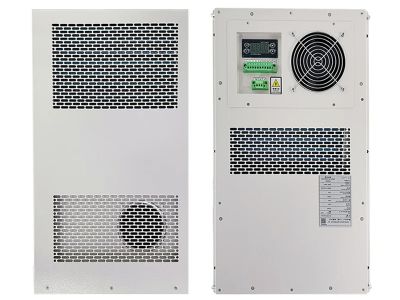
Energy-Saving Cooling Fan and Filter Fan Kits for Ventilation are essential components in modern industrial applications. These kits help maintain optimal operating temperatures within electrical panels and automated systems, ensuring reliability and efficiency. For purchasing managers and engineers, selecting the right cooling solutions can significantly impact energy costs and equipment longevity. This article provides insights into choosing the right kits, understanding specifications, evaluating quality, addressing common issues, and exploring diverse applications, all aimed at facilitating informed purchasing decisions.
Choosing the Right Energy-Saving Cooling Fan Kits for Your Application
When selecting Energy-Saving Cooling Fan and Filter Fan Kits, it’s crucial to consider the specific requirements of your application. Factors such as airflow capacity, size constraints, and energy efficiency ratings play a pivotal role in ensuring that the selected fans meet operational needs without compromising performance.
First, assess the airflow requirements for your system. This is typically measured in cubic feet per minute (CFM) and should align with the thermal load of the equipment being ventilated. A industrial cooling fan that provides insufficient airflow can lead to overheating, while excessive airflow may lead to higher energy costs without added benefits.Next, consider the installation space. Cooling fan and filter kits come in various sizes and configurations. Ensure that the dimensions fit within your panel or enclosure without obstructing other components. Additionally, energy efficiency is paramount; look for fans with low power consumption ratings and those designed to operate quietly, minimizing noise pollution in the workspace.
Lastly, understand the specific environment in which these fans will operate. Factors such as exposure to dust, moisture, or chemicals can influence the type of fan and filter materials required. Selecting a kit designed for harsh environments can enhance durability and performance.
Understanding Specifications for Energy-Saving Cooling Fans and Filters
To make an informed purchase, it's essential to understand the key specifications that define the performance of Energy-Saving Cooling Fan and Filter Kits.
Airflow Capacity (CFM): As mentioned, this measures how much air the fan can move. Higher CFM ratings typically indicate better cooling efficiency, but must be matched to the equipment’s needs.
Static Pressure: This indicates the fan's ability to overcome resistance in the airflow path, which is especially important in systems with filters or ductwork. Higher static pressure ratings allow the fan to maintain airflow despite obstructions.
Noise Level: Measured in decibels (dB), this specification is critical in environments where noise reduction is a priority. Fans designed for quieter operation can improve workplace comfort.
Power Consumption: Energy-efficient fans are designed to provide high airflow while consuming less electricity. Look for fans that have been tested for energy efficiency to ensure long-term cost savings.
Filter Type and Efficiency: Filters are crucial for maintaining air quality. HEPA filters or specialized filters for specific particulates can enhance performance, but you must consider the trade-off between filtration efficiency and airflow.
Understanding these specifications will aid in selecting a suitable cooling fan and filter kit that meets both operational and energy efficiency goals.
Evaluating the Quality of Cooling Fan and Filter Kits for Wholesale
When sourcing Energy-Saving Cooling Fan and Filter Kits, quality assessment is vital, especially for wholesale purchases. Begin by evaluating the manufacturer’s reputation and their adherence to industry standards. Look for certifications that indicate compliance with safety and performance benchmarks.
Next, consider the materials used in construction. High-quality fans are often made from durable, corrosion-resistant materials, which can significantly extend their lifespan. Additionally, the design should facilitate easy maintenance; fans that allow for quick filter replacement or cleaning can save time and costs in the long run.
It's also beneficial to request samples or test units before committing to a bulk order. This allows you to evaluate the fans under actual operating conditions, checking for performance, noise levels, and any potential issues. Engage with suppliers about their quality control processes to understand how they ensure consistent product performance.
Lastly, consider the warranty and support provided by the manufacturer. A robust warranty indicates confidence in product durability, while responsive customer service can assist in resolving any issues post-purchase.
Common Problems with Cooling Fans and Effective Solutions
Cooling fans are not without their challenges. Some common issues include inadequate airflow, unusual noises, and filter clogging. Understanding these problems and their solutions can prevent downtime and enhance system reliability.
Inadequate Airflow: This can result from incorrect fan sizing, obstructions, or clogged filters. Regular maintenance, including cleaning or replacing filters, is essential. Ensure that the fan size and type match the airflow requirements of the application.
Unusual Noises: Noises may indicate mechanical issues, such as imbalances or loose components. Regular inspections can help identify and rectify these problems early. Choosing high speed cooling fan with lower noise ratings during the selection process can also mitigate this issue.
Filter Clogging: Filters can become clogged with dust and debris, reducing airflow and increasing energy consumption. Implementing a maintenance schedule to check and replace filters can enhance performance. Additionally, consider using pre-filters to extend the life of primary filters.
Addressing these common issues proactively can improve the longevity and efficiency of cooling fan and filter kits.
Applications of Energy-Saving Cooling Fans in Industrial Settings
Energy-Saving Cooling Fan and Filter Kits find diverse applications across various industrial settings. Their primary role is to maintain optimal operating temperatures in electrical panels, control cabinets, and automated systems, ensuring that sensitive components function effectively.In manufacturing facilities, these cooling solutions help regulate temperatures in control panels that house PLCs and other electronic equipment. By preventing overheating, they support uninterrupted operations and reduce the risk of costly equipment failures.In data centers, where cooling is critical, these fans are used to manage heat generated by servers and other IT equipment. Implementing energy-efficient cooling solutions can significantly lower operational costs while ensuring data integrity and system reliability.Additionally, in environments exposed to dust and particulates, such as woodworking or metal fabrication shops, filter fans help maintain air quality, protecting both personnel and equipment.Choosing the right Energy-Saving panel cooling fan and Filter Kits tailored for these applications can lead to enhanced efficiency, reduced energy costs, and improved equipment longevity.By considering these factors and insights, B2B buyers can make informed decisions regarding Energy-Saving Cooling Fan and Filter Kits, ensuring they select the best solutions for their operational needs.
Table of Contents
- Choosing the Right Energy-Saving Cooling Fan Kits for Your Application
- Understanding Specifications for Energy-Saving Cooling Fans and Filters
- Evaluating the Quality of Cooling Fan and Filter Kits for Wholesale
- Common Problems with Cooling Fans and Effective Solutions
- Applications of Energy-Saving Cooling Fans in Industrial Settings