

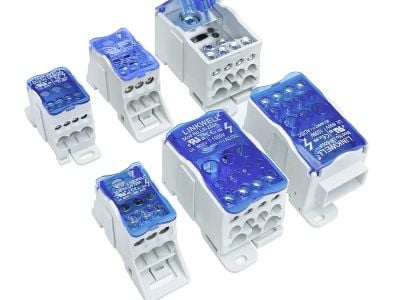
Aluminum and copper universal terminal blocks (AL/CU) are essential components in electrical wiring applications, providing reliable connectivity for various industrial and commercial systems. For purchasing managers, engineers, and product managers, understanding the specifications and sourcing options for these terminal blocks is crucial. This article will delve into key specifications, sourcing strategies, quality comparisons, installation guidance, and common issues, ensuring you make informed decisions in your procurement process.
Key Specifications of Aluminum & Copper Universal Terminal Blocks
When evaluating aluminum and copper universal terminal blocks, several key specifications are fundamental to ensuring optimal performance in electrical wiring applications.
Material Composition: The choice between aluminum and copper affects conductivity, weight, and corrosion resistance. Copper offers superior conductivity and is often used in high-performance applications, while aluminum is lighter and more economical, making it suitable for larger installations where weight is a consideration.
Current Rating: The current rating of a terminal block indicates the maximum amount of current it can handle safely. This is crucial for preventing overheating and ensuring reliable operation. Buyers should verify that the current rating meets or exceeds the requirements of their specific applications.
Voltage Rating: The voltage rating determines the copper terminal block maximum voltage that can be applied across the terminal block. It's essential to choose a voltage rating that aligns with the operational requirements to avoid electrical failures.
Temperature Range: Terminal blocks must operate effectively within specified temperature ranges. High-quality products will be rated for extreme temperatures, ensuring they function reliably in various environments.
Dimensions: The size and spacing of terminal blocks must be compatible with the installation design and field wiring requirements. Buyers should consider the physical space available in their panels.
Mounting Style: Terminal blocks can be mounted in various ways, including through-hole, panel mount, or DIN rail mount. The chosen mounting style should align with the installation preferences and space constraints.
Understanding these specifications ensures that the terminal blocks selected will meet the performance demands of specific applications and environments.
Where to Source Reliable Aluminum & Copper Terminal Block Suppliers
Finding a trustworthy supplier for aluminum and copper terminal blocks is vital for ensuring product quality and reliability. Here are some strategies to identify reliable suppliers:
Industry Reputation: Look for suppliers with a strong reputation in the electrical components industry. Reviews and case studies can provide insights into their reliability and product performance.
Certifications: Verify that potential suppliers hold relevant industry certifications, which indicate compliance with quality standards. Certifications may include ISO 9001 for quality management systems or IEC standards for electrical components.
Product Range: A supplier with a broad range of products can often offer better customization options. This flexibility is essential for meeting unique customer requirements and adapting to specific project needs.
Manufacturing Capabilities: Investigate the copper bus bar manufacturing capabilities of potential suppliers. A company like LINKWELL ELECTRIC, which specializes in low voltage electrical products, may have advanced production equipment and processes that ensure high-quality terminal blocks.
Customer Support: Reliable customer support can be a key differentiator. Suppliers that offer technical assistance, quick response times, and detailed product information can significantly enhance the purchasing experience.
Lead Times and MOQs: Assess the lead times and minimum order quantities (MOQs) of suppliers. This information is crucial for planning projects and ensuring timely delivery of components.
By carefully evaluating these factors, buyers can identify suppliers who will meet their quality expectations and operational needs.
Comparing Quality in Aluminum & Copper Terminal Blocks for Wholesale
Quality comparison is essential when selecting aluminum and copper terminal blocks for wholesale purchases. Here are several factors to consider:
Material Quality: The purity of the aluminum or copper used in terminal blocks affects their conductivity and mechanical strength. High-quality materials will demonstrate better performance and longevity.
Manufacturing Processes: Understanding the manufacturing processes employed by suppliers can help assess the consistency and reliability of the terminal blocks. Advanced manufacturing techniques, such as precision machining and automated assembly, can lead to superior product quality.
Quality Control Protocols: Suppliers should have robust quality control measures in place, such as in-process inspections and final testing. Buyers should ask about the quality assurance processes to ensure that all products meet the required specifications.
Performance Testing: Look for suppliers that provide performance testing data, including current and voltage ratings, thermal performance, and mechanical stress tests. This data helps verify that the aluminum copper terminal blocks will perform as expected in real-world applications.
Feedback from Other Buyers: Gathering feedback from other customers who have purchased from potential suppliers can provide valuable insights into the quality and reliability of their products.
Warranty and Return Policies: A supplier that offers a solid warranty and clear return policies demonstrates confidence in their products. This can be a significant factor in the purchasing decision.
By comparing these quality indicators, buyers can make informed choices that align with their operational needs and budget constraints.
Installation Guidance for Aluminum & Copper Terminal Blocks
Proper installation of aluminum and copper terminal blocks is key to ensuring reliable electrical connections. Here are some essential installation tips:
Pre-Installation Inspection: Before installation, inspect the terminal blocks for any physical damage or defects. Verify that the specifications match the requirements of the electrical system.
Torque Specifications: Follow the manufacturer's torque specifications when tightening connections. Over-tightening can damage the terminal block, while under-tightening can lead to poor electrical contact.
Wiring Preparation: Ensure that the wires are stripped to the appropriate length and that the insulation is not damaged. Proper wire preparation ensures a secure and reliable connection.
Environmental Considerations: Consider the installation environment when selecting terminal blocks. For example, if the terminal blocks will be exposed to moisture or corrosive substances, ensure they are rated for such conditions.
Testing After Installation: After installation, test the connections to ensure they are secure and functioning correctly. Use appropriate testing equipment to verify electrical continuity and check for voltage levels.
By adhering to these installation guidelines, users can minimize potential issues and maximize the performance of their terminal blocks.
Common Problems and Solutions with Terminal Blocks in Electrical Wiring
Despite their reliability, aluminum and copper terminal blocks can encounter issues during operation. Recognizing common problems and their solutions can save time and resources:
Corrosion: Corrosion can occur, especially with aluminum terminal blocks in humid or harsh environments. To mitigate this, consider using terminal blocks with corrosion-resistant coatings or applying anti-corrosion treatments during installation.
Overheating: Overheating can result from poor connections or excessive current. Ensure correct torque settings and verify that the current ratings of the terminal blocks match the application requirements.
Loose Connections: Loose connections can lead to intermittent electrical failures. Regular maintenance checks and retightening connections as necessary can help prevent this issue.
Voltage Drops: Significant voltage drops can occur if terminal blocks are undersized for the application. Always verify that the selected terminal block can handle the expected voltage and current loads.
Mechanical Damage: Terminal blocks can be damaged during installation or maintenance. Careful handling and following installation guidelines can reduce the risk of mechanical damage.
By being aware of these common problems and implementing preventive measures, users can enhance the reliability and performance of their terminal blocks in electrical wiring applications.
Table of Contents
- Key Specifications of Aluminum & Copper Universal Terminal Blocks
- Where to Source Reliable Aluminum & Copper Terminal Block Suppliers
- Comparing Quality in Aluminum & Copper Terminal Blocks for Wholesale
- Installation Guidance for Aluminum & Copper Terminal Blocks
- Common Problems and Solutions with Terminal Blocks in Electrical Wiring